Tiny red dots can catch your attention, but their color alone cannot tell you what they are. Cherry angiomas are one possible explanation: noncancerous growths made of blood vessels. A clinician can confirm that diagnosis and decide whether a new or changing spot needs further examination.
Start with what the term means, read which changes to get checked, and leave removal decisions to a qualified professional. A photograph or a description on a screen cannot establish that your own spot is harmless. This article provides general education, not a diagnosis.
You do not have to choose between ignoring a change and assuming the worst. Making an appointment, describing what you noticed, and asking what happens next is a reasonable middle course. You also do not have to remove a confirmed benign growth simply because it is visible.
What cherry angiomas are
MedlinePlus describes cherry angiomas as benign blood-vessel growths, commonly on the trunk. They may be smooth or raised and range from tiny pinpoints to larger spots. They are more common after age 30 and can run in families; their exact cause is not known.
That definition applies to a growth that has been identified as a cherry angioma. It does not establish the identity of every red mark on the chest, arm, or abdomen. If you are uncertain, ask a clinician rather than assigning the name based on a comparison image.
The same caution applies to words such as mole, burst vessel, or red freckle. People use them loosely in conversation. Tell the clinician what you see and what has changed rather than worrying about whether you have chosen the correct medical term.
Thanks for your feedback! Couldn't send feedback. Try again?
Age and family history are part of the general picture. You cannot determine the cause of an individual mark by looking at its shade or remembering whether you spent time in the sun.
In Prevention's dermatologist interviews, Duaa AbdelHameid discusses possible changes during pregnancy and other hormonal shifts. The article also cautions that new, rapidly growing, frequently bleeding, or suddenly numerous spots deserve assessment. It notes that other lesions can resemble cherry angiomas, which is why self-identification has limits.
If you notice a change during pregnancy, mention the timing when you seek advice. Do not assume that pregnancy explains every new symptom, and do not start a removal product on that basis. Your clinician can consider the context and whether anything needs to be done.
There is no need to count every mark repeatedly to prove you deserve an appointment. A clear account of what concerns you is enough to start a discussion.
Thanks for your feedback! Couldn't send feedback. Try again?
Report this addition
A confirmed benign growth and an unidentified spot are different
The reassuring part of the definition is that a cherry angioma is noncancerous. The important practical limit is that this article cannot confirm whether a particular spot belongs in that category.
A clinician may identify it on examination. MedlinePlus notes that a biopsy is sometimes used to confirm a diagnosis. If a professional recommends a test, ask what question it is meant to answer rather than assuming that the recommendation itself means the worst possibility is likely.
You can ask: “What makes you think this is a cherry angioma?” and “Is there any uncertainty that needs another examination or test?” Those questions help you understand the plan without turning an online description into a competing diagnosis.
Our skin-barrier guide discusses a different issue, irritation and routine care. A new growth should not simply be treated as a product reaction because both involve the skin.
Thanks for your feedback! Couldn't send feedback. Try again?
The American Academy of Dermatology's skin-cancer guidance advises seeing a dermatologist about a spot that is growing, bleeding, or changing. A new or unusual growth can need assessment even if you feel otherwise well.
Arrange an appointment for a mark that concerns you, particularly when its appearance or behavior has changed. Explain frequent bleeding, rapid growth, a sudden cluster of new marks, or a spot that seems different from the others. These observations are information for the clinician, not a home scoring system.
What to describe
A useful factual note
When you noticed it
Approximate timing, if you remember
How it changed
Larger, raised, a different appearance, or another specific change
Bleeding or discomfort
Whether it happened after friction or without an obvious trigger
Other new marks
Whether several appeared around the same time
Relevant context
Pregnancy, medicines, earlier skin diagnoses, or another recent change
If a mark is bleeding and you cannot stop the bleeding, seek prompt medical care. Do not wait for a cosmetic consultation to address an immediate problem.
You can also ask whether a broader skin examination is appropriate. The answer may depend on your history and what the clinician sees. Our health-screening discussion guide offers questions to bring to routine care, without replacing a visit for a particular concern.
Thanks for your feedback! Couldn't send feedback. Try again?
Report this addition
What you choose to wear while working out can have a significant impact on your comfort and performance. One essential item is the sports bra. Lack of proper support can lead to discomfort and muscle tissue damage. Choosing a good sports bra can help prevent these problems and ensure a great workout!
Before the appointment
Write down the questions you want answered. If you have a photograph that already shows a change, bring it, but do not delay care while trying to produce a perfect comparison. Images can be useful context without replacing an examination.
List medications and products used on the area, including anything you have already tried to remove or lighten the mark. Tell the clinician about irritation or bleeding after those attempts. The point is to give useful information, not to pass a test about how you handled the discovery.
If the growth is in a private area or you have concerns about the examination, say so when arranging the appointment. You can ask how the visit works and what support or accommodations are available.
Thanks for your feedback! Couldn't send feedback. Try again?
Report this addition
Do cherry angiomas need removal?
Confirmed cherry angiomas usually do not require treatment. MedlinePlus lists professional removal methods including cautery, freezing, laser, and shave excision when removal is appropriate. A clinician can explain which, if any, fits the diagnosis and your circumstances.
Reasons to ask may include repeated irritation from clothing, bleeding, or a cosmetic preference. Wanting information does not commit you to a procedure. You can decide to leave a benign growth alone after hearing the options.
Ask about the full process before agreeing: how the diagnosis is confirmed, what the treatment involves, possible marks or scars, aftercare, healing, and what to do if something seems wrong afterward. Ask who performs the procedure and how follow-up works.
Do not assume insurance will cover a cosmetic service. Ask the clinician and your insurer about the proposed service and any costs before treatment. A general article cannot predict coverage for your plan.
Thanks for your feedback! Couldn't send feedback. Try again?
Report this addition
Why home removal is the wrong experiment
Do not cut, burn, pick, tie off, or apply a caustic home remedy to a mark you think is a cherry angioma. You may be treating the wrong thing, and an injured blood-vessel growth can bleed. A professional should identify the lesion before discussing removal.
A product sold online as a remover is not evidence that it is appropriate for your skin or for that particular spot. Avoid using a social-media demonstration as a substitute for diagnosis and aftercare advice.
If you have already irritated or injured the area, tell your clinician what happened and seek advice about care. There is no need to conceal an attempt because you feel embarrassed. Accurate information helps the professional assess the situation.
Thanks for your feedback! Couldn't send feedback. Try again?
Report this addition
Prevention and everyday perspective
You do not need to blame yourself for developing a benign growth. The fact that a mark exists does not prove that you used the wrong cleanser, failed at skin care, or need a complete beauty routine overhaul.
Keep general skin care separate from a promise to prevent cherry angiomas. Sun protection remains part of skin health, but it should not be advertised as a guarantee that these growths will never appear. Ask your dermatologist which routine advice is relevant to you.
Once a diagnosis is confirmed, make sure you understand what changes should prompt another visit. A clear follow-up plan can be more useful than repeatedly comparing your skin with online images.
Thanks for your feedback! Couldn't send feedback. Try again?
Report this addition
Frequently asked questions
Does every little red dot mean cherry angioma?
No. Different marks can resemble each other. A clinician can assess a new, changing, or uncertain growth.
Is a confirmed cherry angioma cancer?
It is a benign growth. The key is having the mark correctly identified rather than assuming the diagnosis from its color.
Should I get a changing spot checked?
Yes. Growing, bleeding, or changing spots deserve professional assessment. Mention sudden new clusters or other concerns as well.
Must I remove one?
Not automatically. Ask about the diagnosis, reasons for treatment, and the option of leaving a benign growth alone.
Can I remove it at home?
Do not attempt home removal. Get the diagnosis and any treatment advice from a qualified professional.
Will treatment be covered by insurance?
Coverage depends on the service and plan. Check with the clinician and insurer before agreeing to treatment.
Thanks for your feedback! Couldn't send feedback. Try again?
Report this addition
Feedback Junction
Where Thoughts and Opinions Converge
Keep exploring
Search AllWomenStalk for your next read.
Add allwomenstalk.com as a preferred source on Google to see more of our trusted coverage when you search.
Don't Miss the Latest Version
Get the latest stories, save favorites, and share with friends — all in one place.
Choose the look that feels most comfortable for reading.
Your choice is saved on this device only.
Read Allwomenstalk in the app
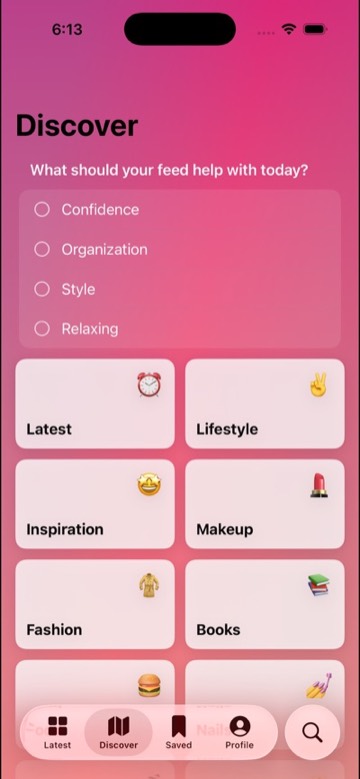
A calm, image-forward feed of fashion, beauty, wellness and relationship stories. Save your favourites and discover what fits your mood — all on your iPhone.






Feedback Junction
Where Thoughts and Opinions Converge