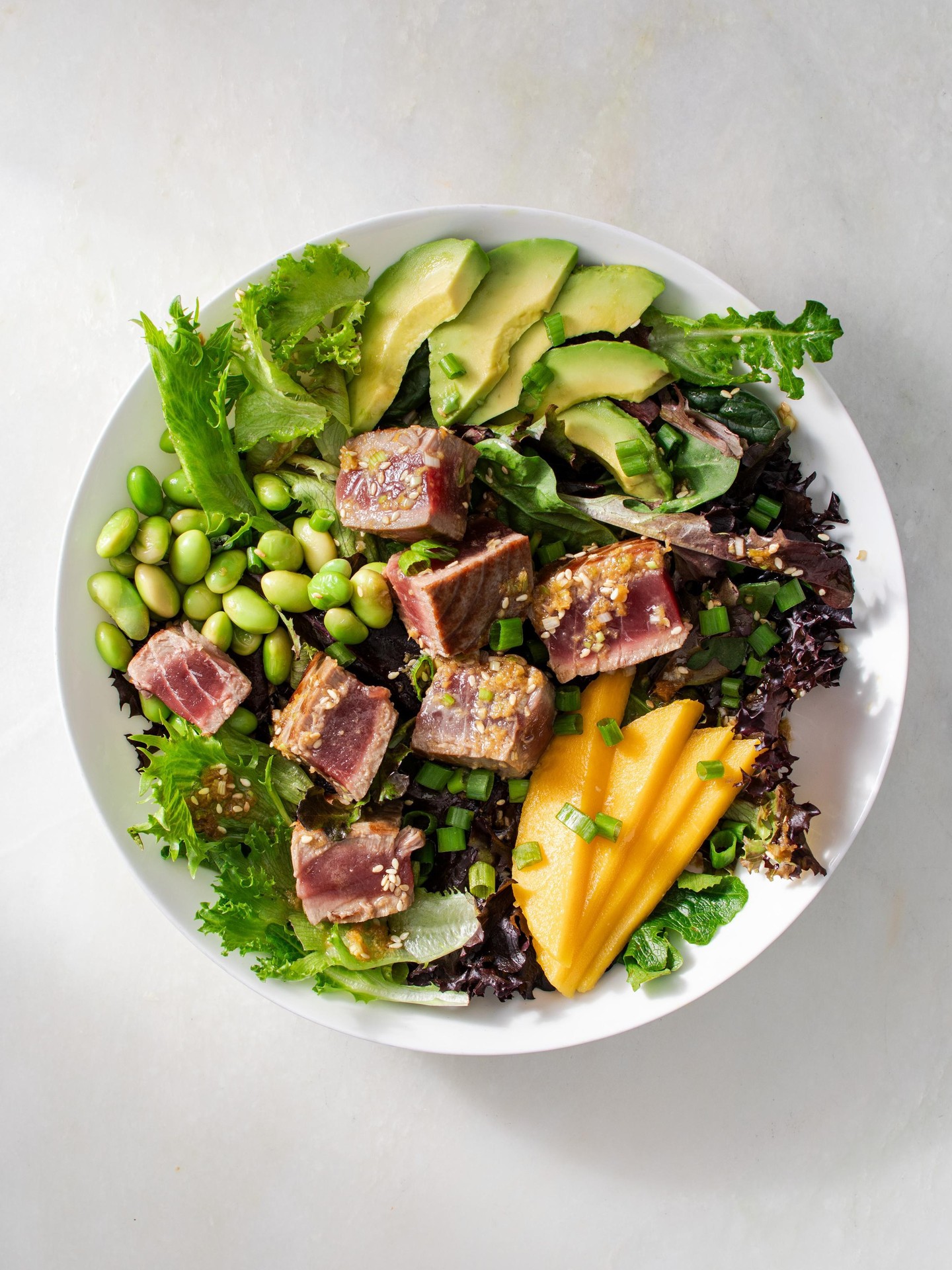
Athletes tend to approach food differently than most people assume. The reality often looks less like dictatorial meal plans and more like consistent, practical choices repeated over time. What emerges from these patterns reveals something about how food becomes part of performance rather than separate from it.
Timing Becomes Second Nature
For many athletes, when they eat matters almost as much as what they eat. Meals often revolve around training schedules rather than traditional breakfast, lunch, and dinner times. A morning practice might mean eating something light beforehand and something more substantial afterward. Varying from person to person.
This rhythm develops gradually. Over time, the body tends to signal hunger in relation to activity rather than the clock. Athletes often describe learning to read these cues and responding with food that feels appropriate for recovery or preparation.
Thinking...
Please leave your email and we’ll get back to you on that.
Protein Throughout the Day
Rather than loading protein into a single meal, athletic eating patterns often spread it across the day. Breakfast might include eggs, lunch could feature legumes or fish, and dinner often centres on lean meats.
Snacks serve a similar purpose. A small portion of Greek yogurt protein between meals can fit easily into this kind of routine, and products like Oikos shakes or protein drinks offer a convenient grab-on-the-go option. The goal tends to be steady intake rather than dramatic spikes.
Thinking...
Please leave your email and we’ll get back to you on that.
Carbohydrates Play a Functional Role
Despite various dietary trends, athletes do not avoid carbs. The difference lies in how they time and portion them. Training days might include more whole grains and starchy vegetables, while rest days often feature lighter options.
The relationship with carbohydrates tends to be practical rather than emotional. They serve a purpose tied directly to energy demands. This perspective removes much of the anxiety that sometimes surrounds this food group in broader culture.
Thinking...
Please leave your email and we’ll get back to you on that.
Hydration Happens Constantly
Water intake for athletes rarely follows a set schedule. Instead, it becomes a background habit woven through the day. Small sips during activity, a glass with meals, and attention to thirst signals all contribute to adequate hydration.
Some athletes monitor urine colour as a simple gauge. Others simply keep water nearby at all times. The method varies, but the underlying consistency remains.
Thinking...
Please leave your email and we’ll get back to you on that.
What you choose to wear while working out can have a significant impact on your comfort and performance. One essential item is the sports bra. Lack of proper support can lead to discomfort and muscle tissue damage. Choosing a good sports bra can help prevent these problems and ensure a great workout!
Whole Foods Form the Foundation
Packaged convenience foods appear less frequently in athletic diets than whole, minimally processed options. Vegetables, fruits, grains, nuts, and quality protein sources tend to fill most plates. This pattern supplies a range of vitamins, minerals, and fibre that processed alternatives may lack.
Preparation methods stay simple. Roasting vegetables, grilling proteins, and cooking grains in batches make weekday meals faster without sacrificing nutritional value. The approach favours efficiency over elaborate recipes.
Thinking...
Please leave your email and we’ll get back to you on that.
Flexibility Prevents Burnout
Rigid rules around eating rarely last. Athletes who maintain healthy habits over years often describe a flexible mindset. A slice of birthday cake or a meal out with friends fits within the larger picture. Restriction tends to create problems rather than solve them.
This balance requires self-awareness. Knowing how certain foods affect energy, sleep, or digestion helps inform choices without turning every meal into a calculation. The goal becomes general consistency rather than perfection.
Thinking...
Please leave your email and we’ll get back to you on that.
Recovery Eating Gets Priority
Post-training meals receive particular attention. The window after exercise represents a time when the body responds well to nutrition for repair. Athletes often have specific foods ready to eat within an hour of finishing a session.
These meals typically combine protein and carbohydrates. The combination seems to support both muscle recovery and glycogen replenishment. Over time, this practice becomes automatic rather than something requiring conscious planning.
Athletic food habits reveal patterns built on practicality and repetition. The choices may not appear dramatic from the outside, but their cumulative effect shapes how the body performs and recovers day after day.
Keep exploring
Search AllWomenStalk for your next read.
Add allwomenstalk.com as a preferred source on Google to see more of our trusted coverage when you search.

Don't Miss the Latest Version
Get the latest stories, save favorites, and share with friends — all in one place.

New Earn badges & level up while you read
Create your profile. Earn badges. Level up your reading.
Join Allwomenstalk to track your streaks, collect badges, and earn XP for the things you already do—reading, sharing, and taking quizzes.
- 🔥Daily streaks with gentle boosts for 3, 7, and 30 days.
- 🏅Collect badges like Reader I–III, Socialite, and Quiz Ace.
- ⚡️Earn XP for reads, deep reads, likes, comments, and shares.
It’s free. Takes 30 seconds. Already have an account? Sign in.


Feedback Junction
Where Thoughts and Opinions Converge