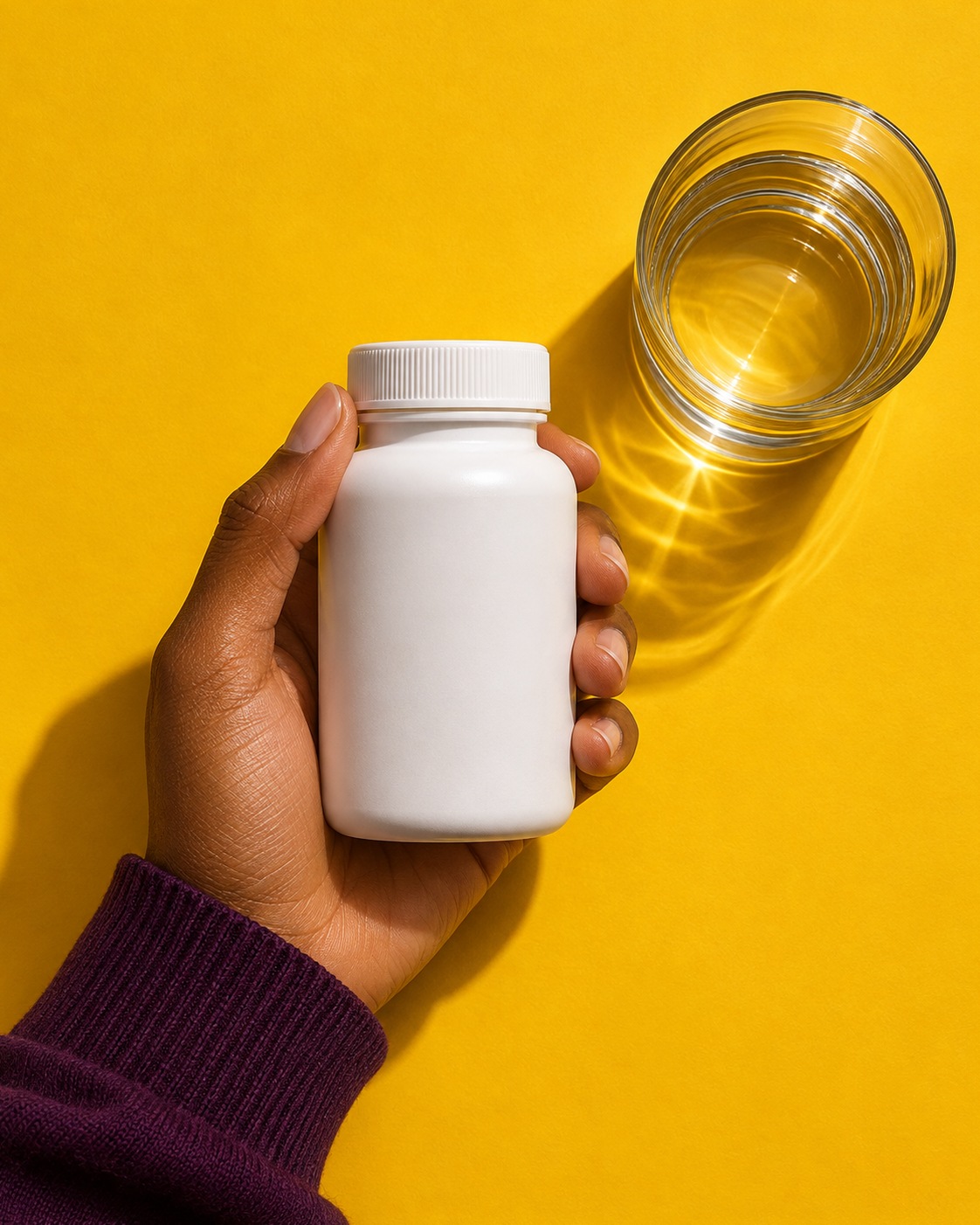
You can take a prenatal vitamin when you are not pregnant, but that does not mean you need one. For many people who are not pregnant, trying to conceive or breastfeeding, a prenatal offers no proven beauty advantage over meeting their nutritional needs in other ways. The key exception is folic acid: people who could become pregnant are advised to get it before pregnancy, and a standalone supplement can provide it.
Prenatal formulas vary, and extra iron or folic acid isn't automatically better. Before adding one to your routine, compare what's in the bottle, consider who may benefit, and check the risks of doubling up. A clinician or pharmacist can help interpret a label in light of your diet, health conditions and medicines.
Why are people taking prenatals for hair and nails?
Prenatal vitamins have been promoted as a shortcut to thicker hair and stronger nails, including to people who aren't planning a pregnancy. But Mayo Clinic describes those hair and nail claims as unproven. A supplement designed for pregnancy is not inherently a better beauty product.
Hair shedding has many possible causes. Stress, illness, medications, nutritional deficiencies and other health conditions can all be relevant, and the best response depends on the cause. If shedding is new, persistent or worrying, ask a clinician about an appropriate evaluation rather than starting high-dose iron on your own. Our guide to hair shedding explains some questions to bring to an appointment.
A deficiency can require treatment, but that doesn't mean everyone with shedding has the same deficiency or needs a prenatal. A normal-looking appearance cannot establish iron status; read more in our ferritin explainer.
Thanks for your feedback! Couldn't send feedback. Try again?
Report this addition
Prenatal versus multivitamin: what is different?
A prenatal is formulated with pregnancy-related nutritional needs in mind. The Mayo Clinic points to folic acid and iron as major differences from many standard multivitamins. Exact contents vary by product, so compare the Supplement Facts panels rather than relying on the word “prenatal.”
Nutrient
What to know
Folic acid
People who could become pregnant are generally advised to take 400 micrograms daily to help prevent neural tube defects. This can come from a standalone supplement or a multivitamin.
Iron
Pregnancy increases iron needs. Mayo lists 27 milligrams daily during pregnancy and 18 milligrams for typical adult women who are not pregnant, with needs varying by age and circumstance.
Other nutrients
Products differ in iodine, vitamin D, calcium and other contents. Some include DHA; others do not. A label is not proof that a product contains everything a particular person needs.
These figures are nutritional guidance, not a prescription for your individual dose. Pregnancy, age, diet, medications and medical conditions matter. If you have a clinician-directed plan, follow it and ask before changing products.
Thanks for your feedback! Couldn't send feedback. Try again?
Report this addition
Who may benefit from a prenatal?
If you are trying to conceive or could become pregnant
Folic acid is important before pregnancy because neural tube development occurs early, often before someone knows they are pregnant. The U.S. Preventive Services Task Force recommends a daily supplement containing 400 to 800 micrograms of folic acid for people who plan to or could become pregnant, starting at least one month before conception and continuing through the first two to three months of pregnancy. The task force notes that nearly half of U.S. pregnancies are unplanned, so waiting until a pregnancy is confirmed can miss the critical window. Individual circumstances can change the recommended plan.
A prenatal is one way to get folic acid, but it is not the only way. A standalone folic acid supplement or an appropriate multivitamin may provide it. Ask a clinician which option and dose fit you, especially if you have a history that places a pregnancy at higher risk of neural tube defects or take medicines that affect folate.
If you are pregnant or breastfeeding
Nutritional needs change during and after pregnancy. A clinician can recommend a prenatal or other supplements based on your diet, stage of pregnancy or lactation, and medical history. The formulation used while pregnant is not automatically the right one for every stage postpartum; ask what to continue and for how long.
Prenatals supplement a diet; they do not replace food or prenatal care. Bring the bottle to appointments so the care team can check the actual amounts and identify anything missing or duplicated.
If you have a deficiency or absorption concern
People with a diagnosed deficiency, certain digestive or absorption conditions, a history of bariatric surgery, or a restricted diet may need tailored nutrients. The answer is not always a prenatal: a clinician or registered dietitian may recommend a specific nutrient, a different dose, testing or a different formulation.
For example, a vegan eating pattern requires attention to vitamin B12 sources. Someone who has had bariatric surgery may have specific lifelong monitoring and supplement needs. These circumstances deserve individualized advice rather than an assumption that a standard prenatal covers every gap.
Thanks for your feedback! Couldn't send feedback. Try again?
Report this addition
Can taking a prenatal when you're not pregnant be harmful?
A prenatal is not automatically dangerous for every nonpregnant person, but taking more than you need can cause problems. The risk depends on the formulation, total intake from other supplements and fortified foods, and individual health. More is not a reliable shortcut to better hair, energy or health.
Iron can cause side effects or excess
Iron supplements can cause constipation, nausea, abdominal discomfort or other digestive effects. The NIH Office of Dietary Supplements lists an upper limit of 45 milligrams per day for adults from all sources, unless a clinician directs otherwise. Someone with a diagnosed deficiency may be prescribed more under supervision; the upper limit is not a treatment dose.
Iron overdose can be particularly dangerous for children. Store iron-containing products out of children's reach and seek immediate poison-control or emergency help for a suspected overdose. Do not take extra iron just because a prenatal contains it.
Folic acid can add up
For most adults, the NIH lists an upper limit of 1,000 micrograms a day of folic acid from supplements and fortified foods; naturally occurring food folate is treated differently. A clinician may prescribe a higher amount in specific circumstances. Excess folic acid can mask signs of vitamin B12 deficiency, delaying recognition of a condition that needs treatment. See the NIH folate fact sheet for details.
This is not a reason to avoid the recommended preconception folic acid. It is a reason to add up the amount across products and ask for individualized advice if you are unsure.
Vitamin A and other nutrients matter too
Too much preformed vitamin A can be harmful, and excess is especially important to avoid during pregnancy. Vitamin A appears in different forms on labels, so ask a clinician or pharmacist to help interpret your products if you're pregnant, could become pregnant or use multiple supplements. The NIH vitamin A fact sheet explains forms and upper limits.
Other ingredients can interact with medications or duplicate a separate supplement. A “hair, skin and nails” product, a prenatal and a fortified drink may contain overlapping nutrients even when their front labels emphasize different benefits.
Thanks for your feedback! Couldn't send feedback. Try again?
Report this addition
What you choose to wear while working out can have a significant impact on your comfort and performance. One essential item is the sports bra. Lack of proper support can lead to discomfort and muscle tissue damage. Choosing a good sports bra can help prevent these problems and ensure a great workout!
How to check your supplement routine
Collect every product. Include multivitamins, hair and nail products, individual nutrients, powders and fortified drinks you use regularly.
Read the amount per serving. Check the number of capsules or gummies that makes one serving; one pill is not always one serving. Note both the nutrient and its amount.
Look for overlap. Compare iron, folic acid, vitamin A and any other repeated ingredients. Don't add extra doses merely because products have different names.
Bring the list to a professional. Ask a clinician or pharmacist about your total intake, medications and whether any product should change. A registered dietitian can help assess dietary needs.
Keep the plan simple. If a specific nutrient is needed, ask whether it can be taken on its own and when to reassess. Don't stop a prescribed supplement without discussing it with the prescriber.
If you already take a prenatal and have concerns, you don't need to panic. Check the label and seek individualized advice. If you have severe symptoms or suspect an overdose, contact a poison-control service or emergency care promptly.
Thanks for your feedback! Couldn't send feedback. Try again?
Report this addition
What if your goal is better hair, nails or energy?
Begin with the problem you want to solve. Hair shedding, fatigue and brittle nails can have different causes, and a supplement may not address them. Make notes about when the change started, recent illness, diet changes, medicines, menstrual changes and any other symptoms; a clinician can decide whether examination or tests are appropriate.
Food is an important source of nutrients, but “food first” should not be used to dismiss people who need supplements. Folic acid before pregnancy and treatment of an identified deficiency are examples where supplements may be recommended. The goal is an appropriate, evidence-based plan—not taking the largest number of products.
Thanks for your feedback! Couldn't send feedback. Try again?
Could pregnancy happen for me, and how much folic acid should I take?
Does my current multivitamin already contain it?
Do my diet, medical history or symptoms suggest a need for a specific nutrient or testing?
Could these supplements interact with my medicines?
Am I taking the same ingredient in more than one product?
When should we reassess the plan?
Bring product bottles or photos of their Supplement Facts panels. If you are pregnant or planning a pregnancy, tell the clinician before starting a new supplement or changing a prescribed dose.
Thanks for your feedback! Couldn't send feedback. Try again?
Report this addition
Frequently asked questions
Can a person who isn't pregnant take a prenatal?
Sometimes, but it isn't automatically necessary or beneficial. The contents and your circumstances matter. Ask a clinician or pharmacist if you're unsure.
Will a prenatal grow my hair faster?
Mayo Clinic calls the claims that prenatal vitamins produce thicker hair or stronger nails unproven. Persistent shedding deserves an assessment for possible causes.
Do I need a prenatal just to get folic acid?
No. A standalone folic acid supplement or a suitable multivitamin can provide it. People who could become pregnant should discuss the recommended amount and timing with a clinician.
Can I take a prenatal and a multivitamin together?
They can overlap in iron, folic acid and other nutrients. Avoid doubling up without a clinician or pharmacist reviewing the total intake.
Does every prenatal contain the same ingredients?
No. Amounts and ingredients vary. Read the label and ask whether it fits your needs rather than assuming one product is complete for everyone.
This article provides general education and does not replace an individual assessment or treatment plan.
Thanks for your feedback! Couldn't send feedback. Try again?
Report this addition
Feedback Junction
Where Thoughts and Opinions Converge
Keep exploring
Search AllWomenStalk for your next read.
Add allwomenstalk.com as a preferred source on Google to see more of our trusted coverage when you search.
Don't Miss the Latest Version
Get the latest stories, save favorites, and share with friends — all in one place.
Choose the look that feels most comfortable for reading.
Your choice is saved on this device only.
Read Allwomenstalk in the app
A calm, image-forward feed of fashion, beauty, wellness and relationship stories. Save your favourites and discover what fits your mood — all on your iPhone.



Feedback Junction
Where Thoughts and Opinions Converge