
As the colder months roll in and winter settles across the garden, it’s easy to think that outdoor chores can be forgotten until spring. However, a little attention now will make everything so much easier when the warmer days return. Having the right garden tools to hand means your garden can rest comfortably while you prepare for a fresh burst of growth in spring. Whether you love pottering among borders or have vegetable beds to nurture, a bit of winter maintenance will pay dividends later.
Get Ready for Winter: Clean, Store and Protect
Winter is the perfect time to give your garden a thorough tidy and make sure your equipment is ready for the months ahead. Not only will this help protect your plants and soil, it will ensure your tools are ready to go when spring arrives.
Start by clearing away fallen leaves, spent plants, and any debris lying around beds and borders. Leaves left on lawns or paving can smother grass and promote moss, so rake them up and add them to your compost or leaf mould pile. Clearing beds also helps reduce places where pests and diseases can overwinter.
Once the garden is tidy, turn your attention to your garden tools. This is the ideal opportunity to clean and inspect each item carefully. Tools such as pruners, shears and secateurs can often be wiped clean, sharpened and lightly oiled to prevent rust. It’s also worth checking the condition of long-handled tools like spades and forks, making sure handles are smooth and free from splinters before storing.
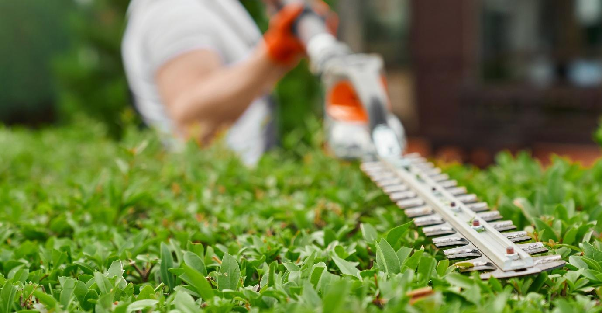
Some winter jobs can continue with the right equipment. For example, a garden multi-tool that offers trimming, cutting and maintenance functions can help you shape shrubs and remove unwanted growth before the deep freeze sets in. Likewise, having a sturdy wheelbarrow or trolley makes moving soil amendments, mulch or compost around the garden much easier as you prepare beds for winter protection.
Before temperatures drop too low, give perennial beds a layer of mulch to help regulate soil temperature and moisture. This not only protects plant roots from harsh frosts, but also keeps soil structure in good condition, reducing winter’s impact.
Mid-Winter Maintenance: Protect Your Borders and Soil
Even when the garden feels dormant, there is plenty you can do to care for your outdoor space during the coldest weeks of the year. Mid-winter maintenance is all about protection so that spring growth has the best possible start.
If you’ve planted winter vegetables or hardy shrubs, keep an eye on any prolonged dry spells. Although plants need less water in winter, frost and winds can still dry out exposed roots and evergreen foliage. Using a watering can or gentle hose setting on milder days ensures soil doesn’t dry out completely, giving plants the moisture they need without encouraging new growth at the wrong time.
Protect tender plants and young trees with frost cloths or horticultural fleece on particularly cold nights. Wrapping delicate stems or covering exposed soil helps retain warmth and guards against frost heave. If you use garden sprayers for feeding or spraying treatments earlier in the season, make sure they’re drained and stored properly to avoid damage from freezing liquid.
This is also a good time to take stock of your winter wildlife support. Providing bird feeders and shallow water dishes gives birds energy and hydration when natural sources are scarce, and helps keep beneficial wildlife in your garden ready to assist with pest control in spring.
Maintaining good paths and patio areas matters too. A simple sweep or use of a stiff broom can keep paving free of moss and algae that thrive in damp winter conditions. Clearing these areas reduces slips and keeps your garden both attractive and safe for family and visitors.
Prepare for Spring: Plan, Prioritise and Dream
As winter gradually gives way to longer days, your garden will start to show signs of life again. Now is the time to think ahead and plan for a brilliant spring.
Begin by taking notes on what worked well last season and what might need improvement. Perhaps a particular bed was waterlogged, or a vegetable patch didn’t produce as much as you hoped. This reflection will help you decide if you need extra soil amendments, better drainage solutions or simply more time allocated to certain areas.
Check that all your gear is ready for action. Inspect tools that have been in storage and make sure everything from garden rakes and hoes to pruners and power equipment is in good order. Cleaning and servicing now means you won’t waste a minute when the first bulbs sprout and the garden calls.
It’s also a good moment to start sowing seeds indoors if you like an early start. Many gardeners enjoy beginning plants like tomatoes, herbs or hardy annuals in sheltered conditions before they’re ready to be moved outside. Preparing seed trays, labels and potting soil adds to the anticipation of spring and gives you a head start on the season.
Finally, take a moment to simply enjoy your garden, even in winter’s quiet. There’s a special beauty in frost-sparkled lawns and bare branches against pale skies, and knowing you’ve cared for your plot thoughtfully makes the promise of spring all the sweeter.




Feedback Junction
Where Thoughts and Opinions Converge