Telemedicine has revolutionised how healthcare is delivered, making it more accessible and convenient for everyone. In occupational health, telemedicine is playing an increasingly important role, helping businesses ensure their employees remain healthy, productive, and supported in their roles. For women in the workforce, balancing personal and professional commitments can be challenging, but telemedicine offers a practical way to prioritise health without adding extra stress.
This article explores how telemedicine fits into occupational health, the benefits it brings to workers and employers, and how it’s transforming workplaces.
Reader Poll
Thanks for sharing your thoughts.
Want more like this? Subscribe for personalized picks.
Successfully subscribed.
Check your inbox for personalized content.
1. What Is Telemedicine in Occupational Health
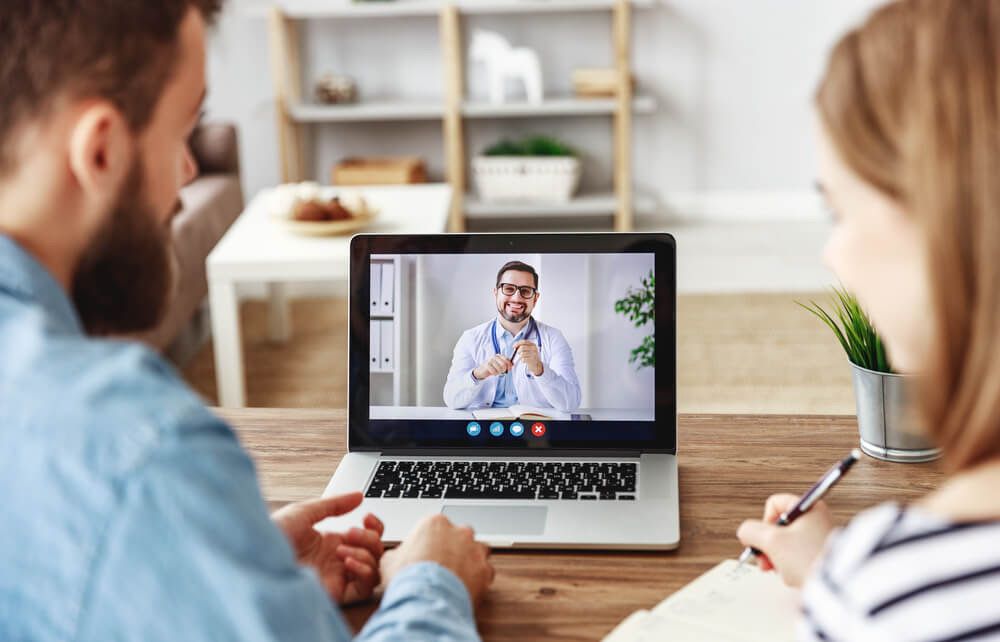
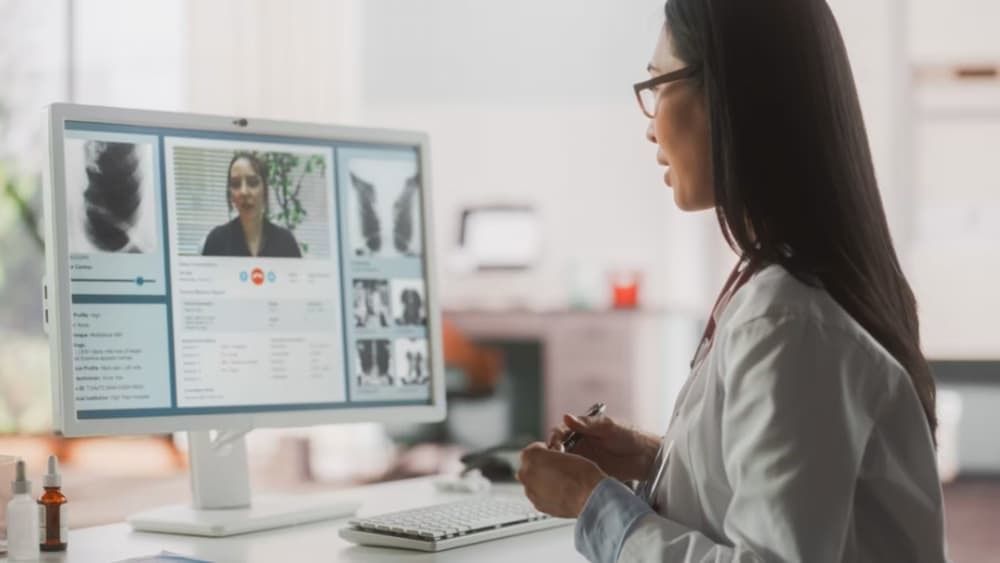
Telemedicine involves delivering healthcare services through digital platforms, including video consultations, apps, or online portals. In occupational health, this means employees can access medical advice, injury management, or even mental health support without needing to visit a clinic.
Whether it’s addressing a workplace injury or discussing ongoing health concerns, telemedicine services provide a practical and flexible alternative that saves time and reduces stress for employees.
2. Benefits of Telemedicine for Employees and Employers
Improved Accessibility
Telemedicine allows workers in remote or rural locations to connect with healthcare professionals without the need for travel. For women working in industries like agriculture or construction, this can make it much easier to access health advice when they need it most.
Reduced Time Off Work
Medical appointments can disrupt the workday, but telemedicine allows employees to consult with doctors during their breaks or other convenient times. This minimises time away from work while still ensuring health needs are met.
Cost Savings
For employers, telemedicine can reduce costs related to workplace injuries, absenteeism, and workers’ compensation claims. For employees, it eliminates travel expenses and allows for early intervention, preventing minor issues from becoming major problems.
A Focus on Well-Being
Offering telemedicine as part of an occupational health program demonstrates a company’s commitment to its workforce. Employees who feel supported in their health and well-being are more likely to be engaged and satisfied in their roles.
3. How Telemedicine Is Used in the Workplace
Telemedicine supports a variety of occupational health needs. Here are some common ways it’s applied:
📌 Injury assessments: Employees who experience workplace injuries can connect with a healthcare provider immediately for advice and next steps.
📌 Mental health support: Remote counselling and therapy sessions help employees manage stress, anxiety, and burnout without the stigma often associated with in-person visits.
📌 Chronic disease management: Employees managing conditions like asthma or diabetes can have regular check-ins with their doctor, ensuring they stay healthy and productive.
📌 Health screenings: Parts of pre-employment health assessments can be conducted remotely, making the process quicker and easier.
4. Technology’s Role in Telemedicine
Advancements in technology are driving the growth of telemedicine. Video conferencing tools, secure platforms, and wearable devices all contribute to better healthcare delivery.
Wearables, such as fitness trackers, are particularly useful in occupational health. They can monitor activity levels, heart rates, and other metrics that give healthcare providers a better understanding of an employee’s overall health.
What you choose to wear while working out can have a significant impact on your comfort and performance. One essential item is the sports bra. Lack of proper support can lead to discomfort and muscle tissue damage. Choosing a good sports bra can help prevent these problems and ensure a great workout!
5. Challenges and Limitations
While telemedicine offers many advantages, it’s not a one-size-fits-all solution.
Privacy Concerns
Protecting patient data is critical. Telemedicine providers must ensure compliance with privacy regulations to maintain employee trust.
Connectivity Issues
Some employees may lack reliable internet or suitable devices for telemedicine appointments. Offering alternatives or providing access to necessary tools can address these challenges.
Physical Examinations
For conditions requiring hands-on assessments, telemedicine might not be sufficient. In such cases, combining telemedicine with in-person consultations is often the best solution.
6. Telemedicine and Workplace Regulations
Employers have a duty of care to ensure the health and safety of their workforce. Telemedicine services can help meet these obligations by providing timely medical support and addressing workplace hazards.
For industries with strict compliance requirements, such as construction or manufacturing, telemedicine can support regular health checks and risk assessments.
7. The Future of Telemedicine in Occupational Health
As telemedicine continues to evolve, it’s likely to become an integral part of workplace healthcare. New technologies like artificial intelligence and advanced analytics could make remote care even more personalised and effective.
For working women balancing busy schedules, telemedicine offers the flexibility and convenience needed to maintain health without compromising other responsibilities. Employers who embrace telemedicine will not only see healthier, happier employees but also improve their overall workplace culture.
Telemedicine is changing how occupational health services are delivered, making healthcare more accessible, convenient, and efficient. By incorporating telemedicine into their workplace programs, businesses can ensure their teams remain supported and productive.
For employees, especially women juggling multiple roles, telemedicine services offer a valuable way to prioritise health without sacrificing other aspects of life. It’s a modern solution to the age-old challenge of finding balance.
Reader Poll
Thanks for sharing your thoughts.
Want more like this? Subscribe for personalized picks.
Successfully subscribed.
Check your inbox for personalized content.
Feedback Junction
Where Thoughts and Opinions Converge
Add allwomenstalk.com as a preferred source on Google to see more of our trusted coverage when you search.
Don't Miss the Latest Version
Get the latest stories, save favorites, and share with friends — all in one place.





Feedback Junction
Where Thoughts and Opinions Converge