Most of us style our hair daily without giving much thought to what's happening beneath the surface. We chase that perfect look, often sacrificing our hair's long-term health in the process—leading to brittleness, breakage, and dull strands that have lost their natural luster. The good news? Learning to choose the right hair styling products and mastering protective techniques can dramatically reduce damage while still delivering the results you want. It's all about striking that sweet spot between looking great and keeping your hair healthy.
Understanding Hair Structure and Damage Mechanisms
Your hair is more complex than it appears. Each strand has three distinct layers: the cuticle (your hair's protective outer shell), the cortex (the protein-rich middle layer that gives hair its strength), and the medulla (the innermost core). When these layers get compromised, damage unfolds through three primary pathways:
Thermal damage: Excessive heat breaks down proteins and strips away essential moisture
Chemical damage: Processing treatments permanently alter your hair's molecular bonds
Mechanical damage: Rough handling lifts the cuticle and causes breakage
Think of the cuticle as your hair's armor. Once it's damaged, the vulnerable cortex underneath becomes an easy target, creating a domino effect that leaves your strands increasingly fragile. This is why prevention beats repair every single time—once damage occurs, you're essentially managing it rather than reversing it.
Thinking...
Please leave your email and we’ll get back to you on that.
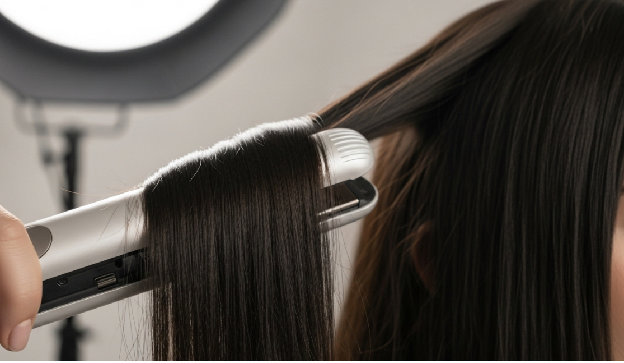
Heat styling tools are notorious overachievers, often cranking up to temperatures over 450°F—far beyond what your hair can safely handle. Here's the reality: fine hair starts breaking down around 300°F, medium-textured hair can tolerate 300-350°F, while thick, coarse hair might need up to 400°F to cooperate.
The secret weapon against heat damage? Creating a protective moisture barrier before you even plug in your tools. Here's something crucial many people don't realize: wet hair is a heat styling disaster waiting to happen. Water turns to steam at 212°F, essentially cooking your hair from the inside out. Always make sure your hair is bone dry, then apply a quality heat protectant that wraps each strand in a defensive coating.
Thinking...
Please leave your email and we’ll get back to you on that.
Chemical Treatments and Compatibility
Color, perms, relaxers—these chemical processes don't just change how your hair looks; they fundamentally rewire its molecular structure. The result? Your hair becomes more porous and significantly more vulnerable to damage from everyday styling.
Once you've chemically treated your hair, the game changes completely. You'll need to master the delicate protein-moisture balance—over-processed hair often craves protein to rebuild its structure, while some chemically treated hair desperately needs extra hydration to stay flexible. Timing matters too: spacing treatments 6-8 weeks apart gives your hair a fighting chance to recover between sessions.
Thinking...
Please leave your email and we’ll get back to you on that.
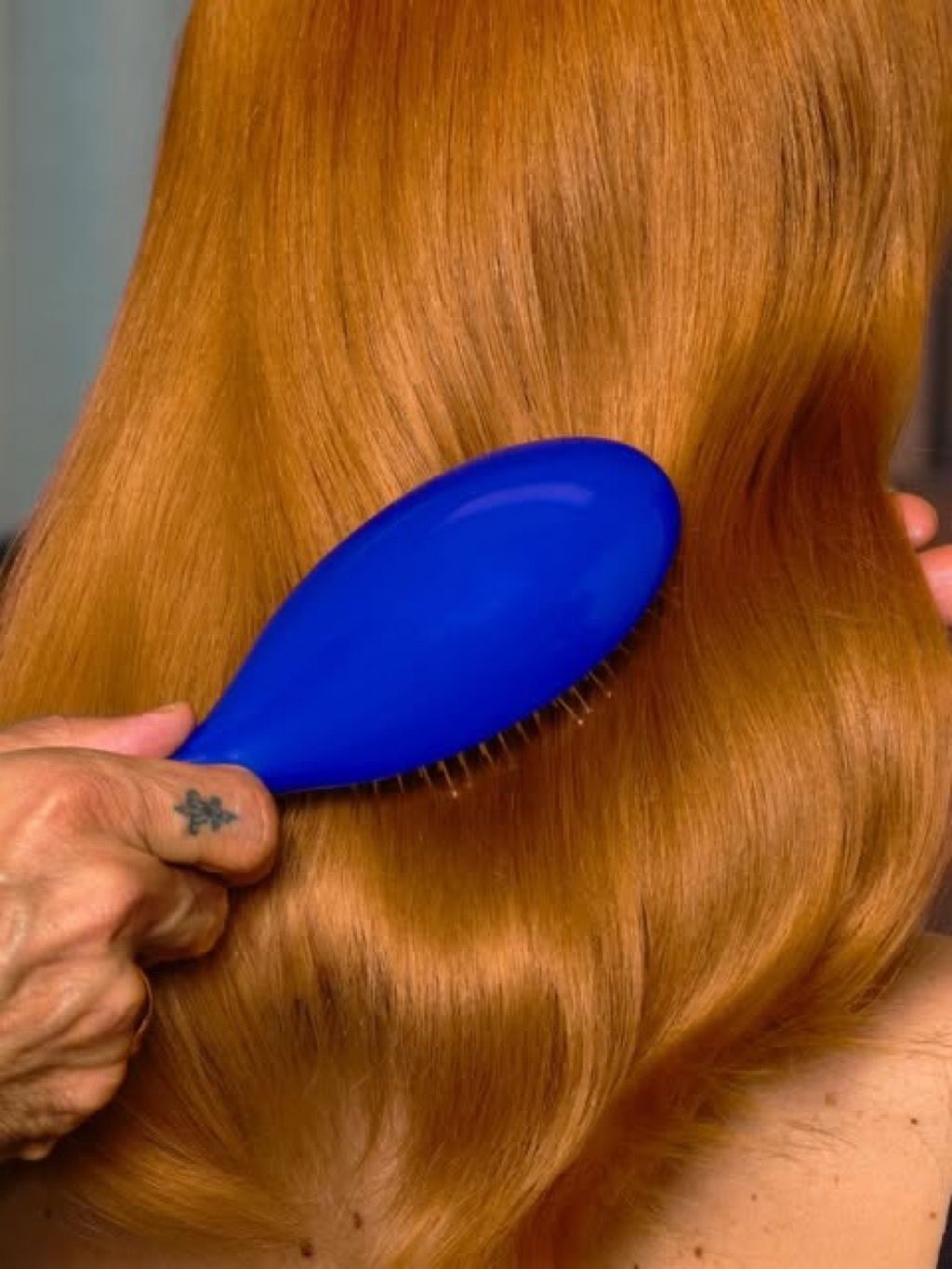
Don't underestimate the damage that comes from everyday handling. Wet hair becomes up to three times more fragile, making your detangling technique absolutely critical. Always start at the ends and work your way up, using a wide-tooth comb or a brush specifically designed for wet hair.
Here's a styling tip that makes all the difference: proper sectioning. Working with smaller sections means more even heat distribution and better results with fewer passes of your styling tools. Plus, avoid yanking and pulling—excessive tension can lead to traction alopecia, which is permanent hair loss from repeated stress on the follicles.
Thinking...
Please leave your email and we’ll get back to you on that.
Embrace your individuality and transform your look by trying out a unique shade. Did you know that green hair is associated with nature, creativity, and growth? So go ahead, experiment with this bold hair color to represent a new phase in your life, waiting to blossom like a fresh spring leaf.
Selecting Products for Hair Health
The best styling products pull double duty—they help you achieve your look while actively protecting your hair. Keep an eye out for silicones (they create protective barriers), proteins (they temporarily patch up damaged spots), and humectants (they help maintain moisture balance). Steer clear of products loaded with drying alcohols.
Don't fall for the price tag trap. The most expensive products aren't always the most effective. Instead, focus on functional ingredients that actually do something for your hair type. Remember, damaged hair has different needs than healthy hair, so choose products that match your current situation, not your hair goals.
Thinking...
Please leave your email and we’ll get back to you on that.
Maintenance and Recovery Strategies
Consistency is everything when it comes to preventing minor damage from snowballing into major problems. Weekly deep conditioning treatments help restore moisture and flexibility, while regular trims every 6-8 weeks stop split ends from creeping up the hair shaft.
Don't forget about your scalp—it's the foundation of everything. A healthy scalp grows stronger hair that can better withstand styling stress. Consider adding scalp massage and gentle exfoliation to your routine for optimal hair health from the ground up.
Thinking...
Please leave your email and we’ll get back to you on that.
Moving Forward: Your Hair Health Journey
Protecting your hair while styling isn't rocket science, but it does require combining hair science knowledge with smart, practical techniques. Take a honest look at your current routine and see where these principles fit in. Sometimes the smallest changes—lowering your heat settings, improving how you detangle, or switching to better products—create the biggest improvements over time.
Remember, healthy hair is a marathon, not a sprint. While some damage is unavoidable if you style regularly, understanding these protective strategies lets you minimize the harm while still looking your best. As you consistently apply these science-backed methods, you'll notice your hair becoming more resilient and better able to handle whatever styling challenges you throw its way.
Feedback Junction
Where Thoughts and Opinions Converge
Keep exploring
Search AllWomenStalk for your next read.
Add allwomenstalk.com as a preferred source on Google to see more of our trusted coverage when you search.
Don't Miss the Latest Version
Get the latest stories, save favorites, and share with friends — all in one place.




Feedback Junction
Where Thoughts and Opinions Converge