Winter brings more than cold temperatures, gray skies, and short days. Seasonal shifts in humidity and increased indoor heating can disrupt your skin’s natural balance, leaving it tight, flaky, and sensitive. These conditions often accelerate transepidermal water loss, a process that reduces moisture retention and compromises the skin barrier. If your makeup starts to cling to dry patches or settle into fine lines during winter, your skincare routine likely needs a seasonal reset.
Cold weather also slows the skin’s natural renewal process, leading to dullness and uneven texture. When dead skin cells build up more quickly, makeup tends to sit on the surface rather than blending seamlessly. This makes layering the right skincare products even more important, as they help smooth the skin and improve how cosmetics adhere throughout the day.
According to the American Academy of Dermatology, effective skincare routines should adapt to regional climates and seasonal changes. Without winter-specific adjustments, dryness, blotching, and irritation can become persistent concerns. Thoughtfully layering mineral sunscreen, hyaluronic acid, and skin moisturizers for dry skin can help maintain hydration and create a smoother base for makeup application. Understanding how these formulations work together is key to achieving a healthy, winter-ready complexion.
Mineral Sunscreen in the Winter?
A protection-first approach is essential during colder months, especially when it comes to sun exposure. While winter skies may appear overcast, ultraviolet radiation remains a year-round concern. UVB rays, which are primarily responsible for sunburn, decrease in intensity during winter. However, UVA rays maintain their strength and can even intensify when reflected by snow.
Prolonged exposure to UVA rays contributes to premature skin aging and DNA damage, making daily sun protection just as important in winter as it is in summer. The U.S. Food and Drug Administration explains how sun protection factor (SPF) helps measure protection levels. Sunscreens formulated with zinc oxide and titanium dioxide offer broad-spectrum coverage while calming sensitive winter skin. When worn under makeup, they form a breathable barrier that helps reduce redness and prevent moisture loss.
Thinking...
Please leave your email and we’ll get back to you on that.
Source: marevgenna/Shutterstock.com In winter, sunscreen does more than shield the skin; it can also enhance how makeup wears throughout the day. When selecting a sunscreen for daily facial use, consider the protection spectrum, SPF level, and overall formulation. Broad-spectrum coverage protects against both UVA and UVB rays, while SPF 30 is generally sufficient for everyday wear beneath makeup, unless a medical professional advises you otherwise.
Applying sunscreen correctly is just as important as choosing the right formula. Allowing the product to absorb fully before moving on to foundation helps prevent slipping or uneven texture. Giving sunscreen a short settling period also reduces the chance of pilling when additional products are layered on top.
Mineral sunscreen relies on titanium dioxide and zinc oxide to provide physical UV protection. Titanium dioxide offers lightweight coverage and reflects UVB rays, while zinc oxide delivers strong UVA protection and helps soothe irritation. Together, these ingredients support dry, sensitive skin and create an even surface for foundation.
Thinking...
Please leave your email and we’ll get back to you on that.
Gel, Moisturizers, and Serums
Choosing the right delivery system can make a noticeable difference in how sunscreen and makeup perform together. Gel-based sunscreens are typically water-based and work well for oily or combination skin, leaving a matte finish. Creamy moisturizers nourish dry areas and provide a dewy base that enhances luminosity. Serum formulations are lightweight and absorb quickly, making them especially makeup-friendly for all skin types.
Each texture contributes differently to the final look. Gels help control shine, moisturizers add softness and glow, and serums create an almost invisible layer that supports seamless makeup layering. Selecting a formula that aligns with both your skin type and desired finish helps prevent caking or uneven coverage.
Thinking...
Please leave your email and we’ll get back to you on that.
Skin Tones and Finish Variations
Modern mineral sunscreens are designed to minimize the white cast traditionally associated with zinc oxide. Many formulas now include cosmetic tints, ranging from sheer and neutral to color-correcting options. Gel sunscreens often dry clear, while moisturizers and serums may offer subtle tints to even out skin tone.
Invisible sunscreens are ideal if you want to preserve your natural complexion or foundation shade. Color-correcting tints can help neutralize redness or dullness caused by cold exposure, while slightly deeper tints may restore warmth to skin that appears paler during winter months.
Thinking...
Please leave your email and we’ll get back to you on that.
"Enhancing your beauty doesn't always mean going for the glossy look. More ladies now see the allure of a shine-free finish. With the right tools and techniques, you can also achieve a flawless, subtle glow. Learn how to master this trend by following these incredible matte makeup tutorials. Enhance your natural complexion without the unnecessary flash."
Specific Cosmetics and Techniques
Proper application techniques ensure sunscreen and makeup work harmoniously. Liquid foundations blend smoothly over gel, cream, and serum sunscreens, reducing the risk of streaking or cracking. Tinted moisturizing foundations also pair well with winter sunscreen, offering coverage without emphasizing dry patches.
For targeted coverage, cream-based concealers can be gently pressed over sunscreen to address redness around the nose or under-eye areas. When applying foundation over gel or cream sunscreens, avoid rubbing motions. Instead, use stippling or pressing techniques with brushes or sponges to prevent pilling and maintain an even finish. These methods allow the sunscreen layer to remain intact while seamlessly blending makeup. Use a setting spray rather than heavy powder to help lock everything in place without drawing attention to dry areas.
Thinking...
Please leave your email and we’ll get back to you on that.
Cold weather does not have to compromise your skin’s appearance or comfort. Pairing mineral-based sunscreens with thoughtfully chosen makeup products can protect against UV exposure while supporting hydration and smooth application. By adjusting your routine to include zinc and titanium-based formulas, you can maintain a radiant, healthy complexion throughout the winter and well into spring.
Feedback Junction
Where Thoughts and Opinions Converge
Keep exploring
Search AllWomenStalk for your next read.
Add allwomenstalk.com as a preferred source on Google to see more of our trusted coverage when you search.
Don't Miss the Latest Version
Get the latest stories, save favorites, and share with friends — all in one place.
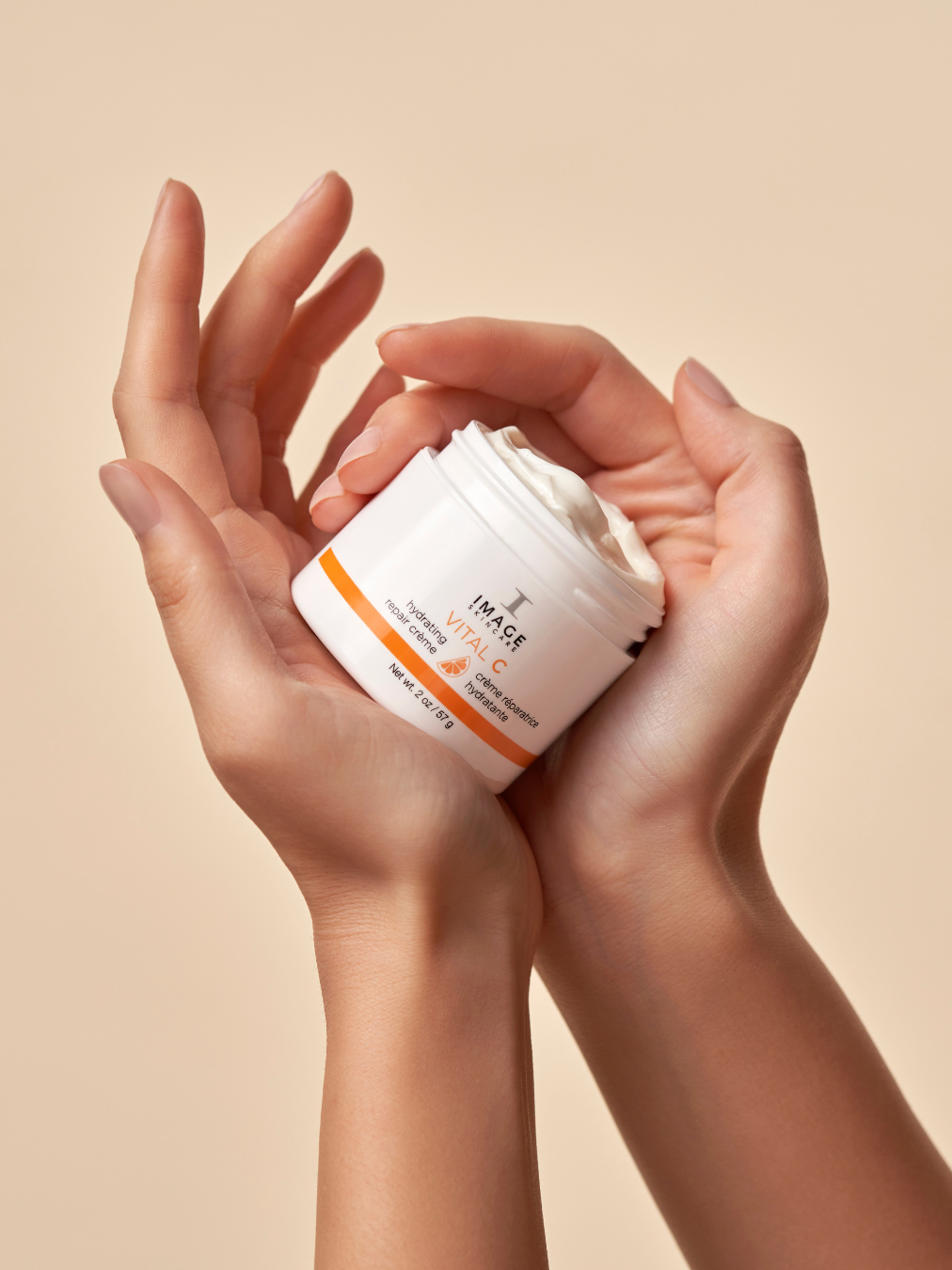

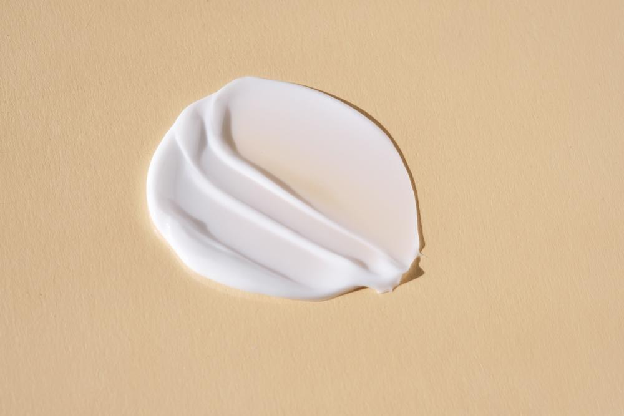 Source: marevgenna/Shutterstock.com In winter, sunscreen does more than shield the skin; it can also enhance how makeup wears throughout the day. When selecting a sunscreen for daily facial use, consider the protection spectrum, SPF level, and overall formulation. Broad-spectrum coverage protects against both UVA and UVB rays, while SPF 30 is generally sufficient for everyday wear beneath makeup, unless a medical professional advises you otherwise.



Feedback Junction
Where Thoughts and Opinions Converge