Guests learned from a roaster, scanned coffee bags and discovered that latte art still takes practice
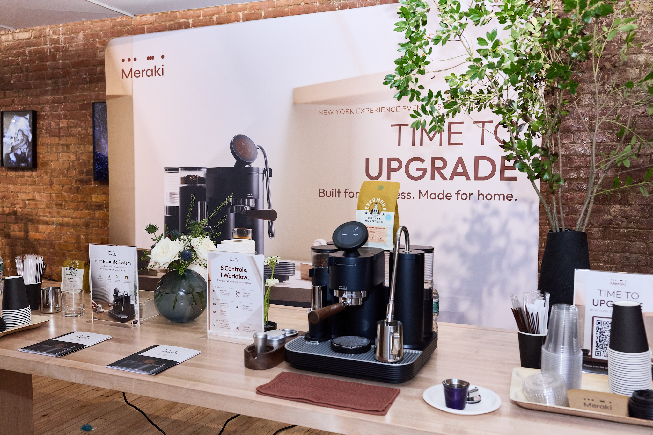
The most appealing part of a good coffee ritual is not always the finished cup. Sometimes it is the small sequence that gets you there: choosing a bean, measuring a dose, watching espresso fill a cup and attempting a little flourish with steamed milk. At Meraki’s Media Experience at SPACS Gallery in Chelsea on September 29, guests had the chance to perform that sequence for themselves after watching roaster Ryan Vaxmonsky demonstrate the machine.
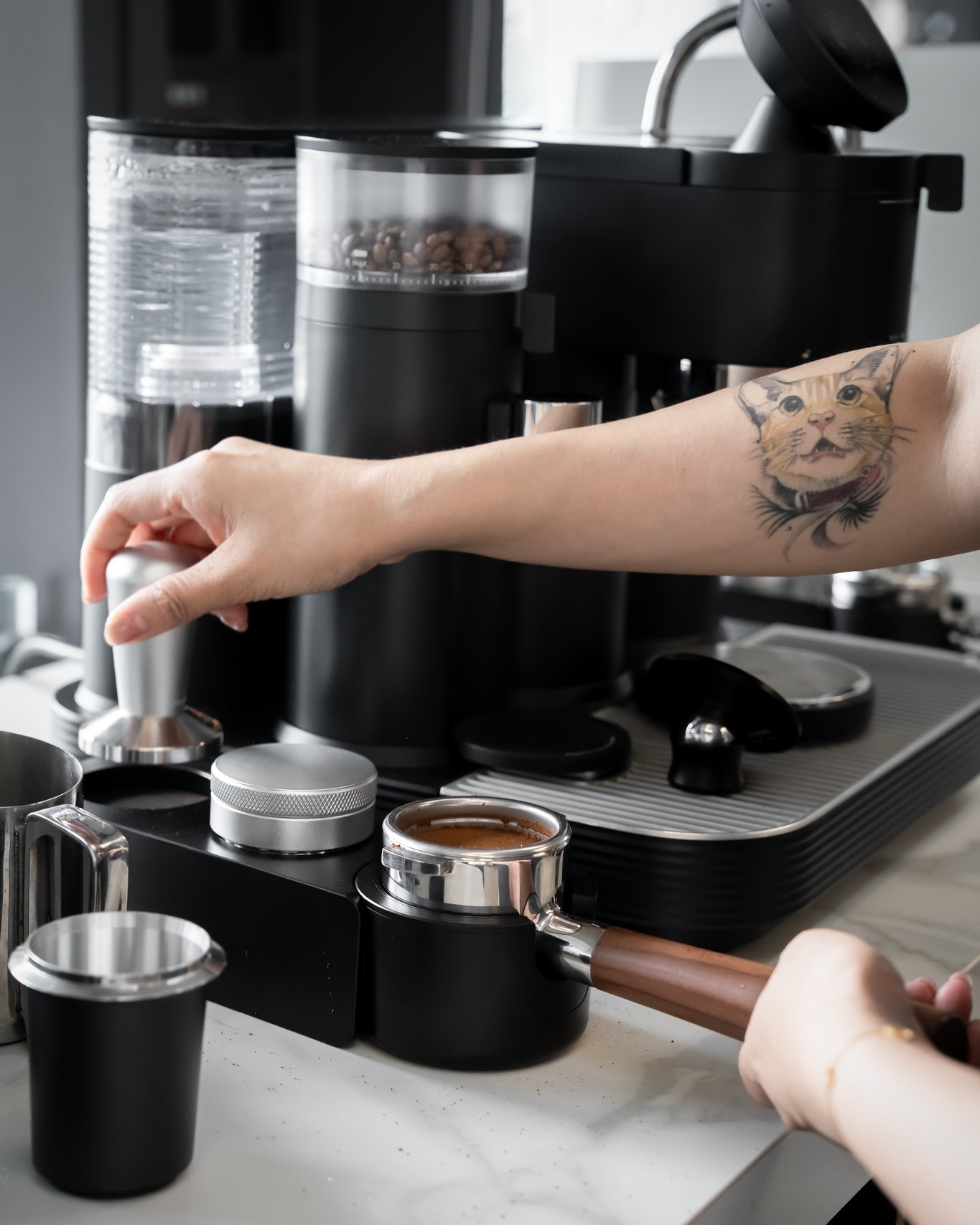
Vaxmonsky, co-founder and head roaster of New Jersey’s Evermore Coffee Roasters, led the product introduction and live barista showcase. He also joined industrial designer Carter McGuyer and media representative Andrea Smith for a lively panel on an issue many home coffee lovers will recognize. Guidance can save a newcomer from wasted beans and discouraging first attempts. Too much automation, however, can leave little room to discover a preferred taste or take pride in a new skill. Meraki’s countertop espresso system tries to hold both ideas at once. It combines a built-in grinder and touchscreen with separate boilers for brewing and steaming. Integrated scales measure the ground coffee and the espresso in the cup, and can stop each process at a selected weight. That keeps the numbers behind a successful drink close at hand, whether someone wants a dependable morning routine or a starting point for experimentation.
A bag of beans with a starting recipe
The CoffeeSense moment was especially easy to understand in person. Vaxmonsky brought coffee bags fitted with NFC chips and coffee-branded cards from his shop to the machine’s reader. Guests could see how a scan calls up suggested grind and extraction settings for a compatible coffee. It is similar to getting the roaster’s brewing notes just as you need them, with the information appearing in the machine’s workflow.
The chip does not taste or assess the beans. It stores the roaster’s recommendation, and the person making coffee can alter the settings after tasting the shot. Meraki’s compatible coffee program is limited to participating roasters. Those details are useful when considering how the feature would fit into a real kitchen: it offers a convenient first try for supported bags while leaving ordinary manual control available for other coffees.
Thinking...
Please leave your email and we’ll get back to you on that.
The hands-on portion turned the panel’s ideas into a shared activity. Attendees tried their own drinks following Vaxmonsky’s expert lead, and creators showed the machine to their viewers before attempting cups of their own. When milk entered the picture, the group had a task the machine could assist but not complete for them. The dedicated steam boiler and adjustable wand help produce the milk texture needed for a latte, while a temperature sensor can stop steaming at a chosen setting. The pour is a separate skill. A heart or rosetta depends on practice, steady movement and a feel for how the milk meets the espresso. The attempts at latte art made the afternoon feel more like a lesson among coffee lovers than a row of perfect product shots.
For a home coffee station, that may be the sweet spot: enough guidance to begin with confidence, enough control to keep learning in your own kitchen, and a cup you had a hand in making. Explore Meraki espresso machine at merakitech.com.
Feedback Junction
Where Thoughts and Opinions Converge
Keep exploring
Search AllWomenStalk for your next read.
Add allwomenstalk.com as a preferred source on Google to see more of our trusted coverage when you search.
Don't Miss the Latest Version
Get the latest stories, save favorites, and share with friends — all in one place.
 A bag of beans with a starting recipe




Feedback Junction
Where Thoughts and Opinions Converge