As the number of electric cars (EVs) grows so quickly, charging them at home is no longer just a good idea; it's a must. Home EV charger installation allows drivers to keep their vehicles ready for daily use while supporting a cleaner, more sustainable lifestyle. EV chargers at home let people drive in a way that is better for the environment. Sometimes picking the right charger is hard. Something could go wrong and make this cost more, take longer, or even put your life at risk. You could not recognize the EV charger type or the level of difficulty. Here are the most common mistakes people make when they install EV chargers in their homes.
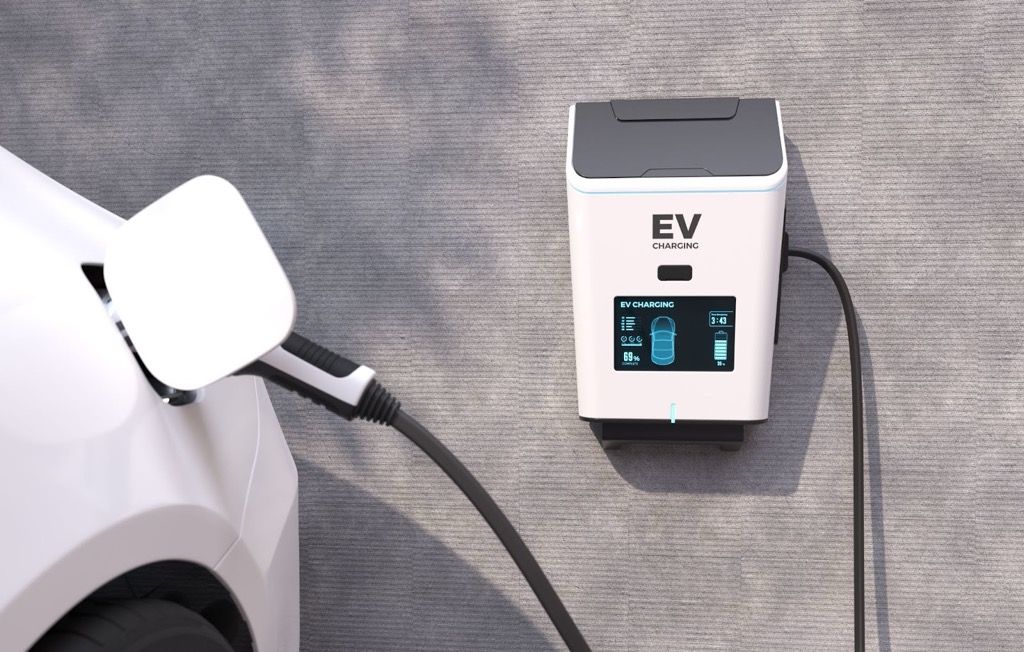
1. Assuming All Chargers Are the Same
A lot of people think that all EV chargers work the same way. There are many types of EV chargers, and each one is best for a distinct job. For example, level 1 chargers can be plugged into a regular outlet in your home, but they only charge slowly, providing you roughly 4–5 miles of range per hour. Level 2 chargers, on the other hand, need their own 240-volt outlet. They can give you 25 to 30 miles of range per hour, which makes them considerably better for everyday use. There are also DC rapid chargers. You can often find these in public places, and they can charge most EV batteries to 80% in less than an hour.
People who don't think about the changes can end up getting a charger that doesn't work with how they drive. A Level 1 charger will not be enough for someone who has to drive a long way to work. Taking the time to look at the many different types of EV chargers that are available will help you make sure that your investment will satisfy your demands today and in the future.
2. Ignoring the Home’s Electrical Capacity
Another mistake is not checking to see if the home's electrical system can support an electric vehicle charger. A lot of residential EV chargers, especially Level 2 ones, need their own circuit. Adding a charger to your home's electrical panel could trip breakers or be bad for the panel if it is already near full.
Before putting up an EV charger, a certified electrician may look at your current system and see whether it needs any alterations. Your utility company may need to replace your panels or add more service capacity from time to time. It costs more up front, but these things make sure the item is safe and will last a long time. Lack of this step could lead to significant problems later on, making it crucial to include it.
3. Focusing Only on Price, Not on Features
You might want to go with the lowest choice, but price shouldn't be the only thing you think about. There are a lot of different things that newer home EV chargers can do. They are compatible with solar panels on roofs and other renewable energy sources, and they can establish Wi-Fi connections and allow you to program charging times. There are apps for your phone that can keep track of how much it costs to charge and plan charging times when the price of power is lower.
It might seem like a good deal to buy a charger without these features, but it might cost you more in the long run because it won't work as well or be as useful. Get your daily EV charger plan ready. A little extra work now could make charging easier and wiser for a long time.
4. Overlooking Location and Installation Practicalities
The way and where you put your charger make a tremendous difference. Some people who own their own homes don't know how important it is to put their charger in the right spot. There should be an easy way to reach the charging station with the long cord, and it should be close to where you usually park your electric vehicle (EV). You might need to protect outdoor installations from the weather, but garages are superior at keeping things safe. You might have to run electrical wires through walls or ceilings, though.
A professional can assist you in identifying the finest and safest approach to install your home EV charger if you hire them. Not only does correct installation make it easier to operate, but it also helps keep it from breaking down in the future. You might have to undertake boring tasks every day or pay for them later if you don't do things right here.
5. Forgetting About Incentives and Regulations
People are getting more and more reasons to acquire electric automobiles from governments and utilities. Chargers are commonly included in these deals. You can save a lot of money up front by securing tax benefits, rebates, or lower installation fees. Municipal rules may also require particular safety requirements or permits at the same time.
People who own homes and don't check into these possibilities may end up paying more than they need to or having to deal with compliance issues they didn't expect. You can save money and time by asking reliable sources, such as your local utility company or the government energy office.
6. Not Thinking About Future Needs
Lastly, a lot of homeowners are just worried about their current position and don't consider how their charging needs can change. You might only have one electric vehicle (EV) right now, but what if your family gets another one in a few years? Will the charger you picked operate with more than one car or batteries that contain more power?
If you plan for the future, your investment will remain working for you as technology gets better. To remain ahead of expanding demand, you should use scalable systems, smart chargers, and electrical infrastructure that can be improved. You should think about the future if you want to get the most out of your home EV chargers.
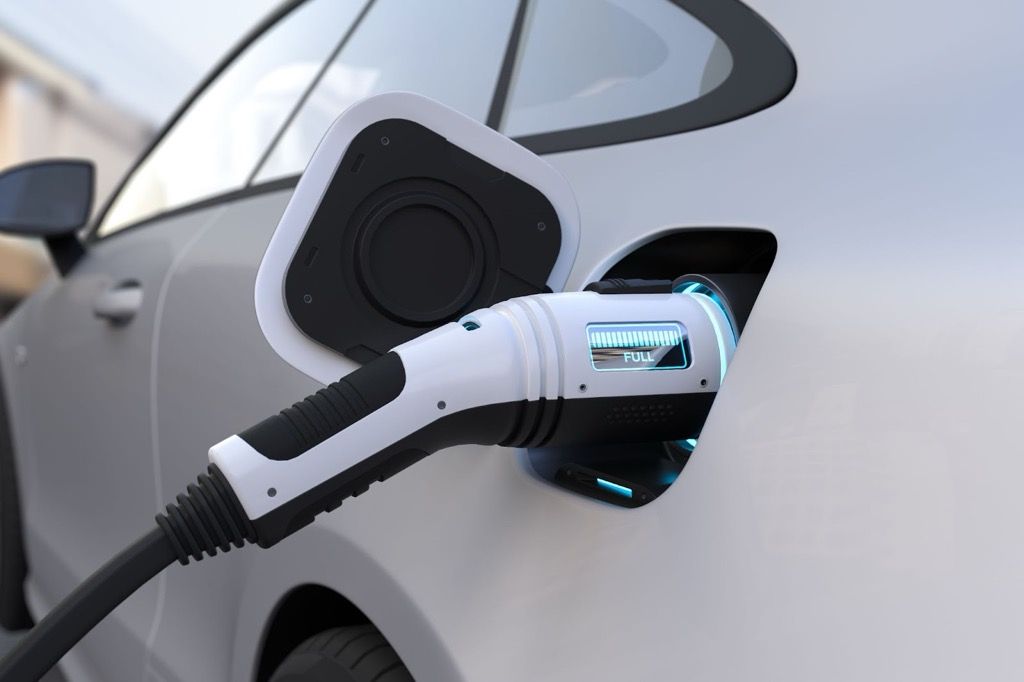
The needs for picking out and setting up the best EV charger are not all the same. You can save time and money by not making common mistakes like thinking all chargers are the same, guessing wrongly about how much power they can hold, or only looking at price. Read up on residential EV chargersand talk to experts. Then, think about where to put them, any possible rewards, and your future needs. Because you chose wisely today, your house charger for electric cars will be safe, work, and charge your car for a long time.
Frequently Asked Questions
- What’s the first step in choosing the right EV charger for my home?
- Start by evaluating your daily driving needs and checking your electrical panel’s capacity to support the charger.
- Should I install a Level 1 or Level 2 charger at home?
- Level 1 is slower and uses a standard outlet, while Level 2 charges faster but requires professional installation and a dedicated circuit.
- How do I know if my home electrical system can handle an EV charger?
- Consult with a licensed electrician to assess your panel’s capacity and determine if upgrades are needed.
- Can I install an EV charger myself to save money?
- It's best to hire a professional to ensure safety and compliance with local codes.
- Is hiring the cheapest installer a good idea?
- Not always—look for experienced, licensed electricians to avoid future problems and ensure proper setup.
- Do all EV chargers work with every electric vehicle?
- Most chargers are compatible with standard connectors, but it's important to verify your vehicle’s plug type.
- How important is charger location within my garage?
- Very; placing it near your parking spot and power source makes charging convenient and installation easier.
- Will installing an EV charger increase my home’s value?
- Yes, it can boost appeal to future buyers who own electric vehicles.
- Should I consider smart chargers or basic models?
- Smart chargers offer features like scheduling and energy monitoring, which can save money and improve convenience.
- What common mistake should I avoid when selecting an EV charger?
- Don't underestimate your future driving needs—you might want a faster charger or more advanced features down the line.