How to Start Your Own Fashion Line …
Starting a fashion line is an exciting and challenging journey, one that requires both creativity and determination. It begins with a vision and grows into something real that others can see, wear, and enjoy. Every decision you make along the way shapes how your ideas come to life. From the first spark of inspiration to the final product, this process is about turning your passion into a brand that connects with people.
This guide will help you through the key steps, offering practical advice to navigate the challenges and bring your vision to life.
1. Finding Your Niche
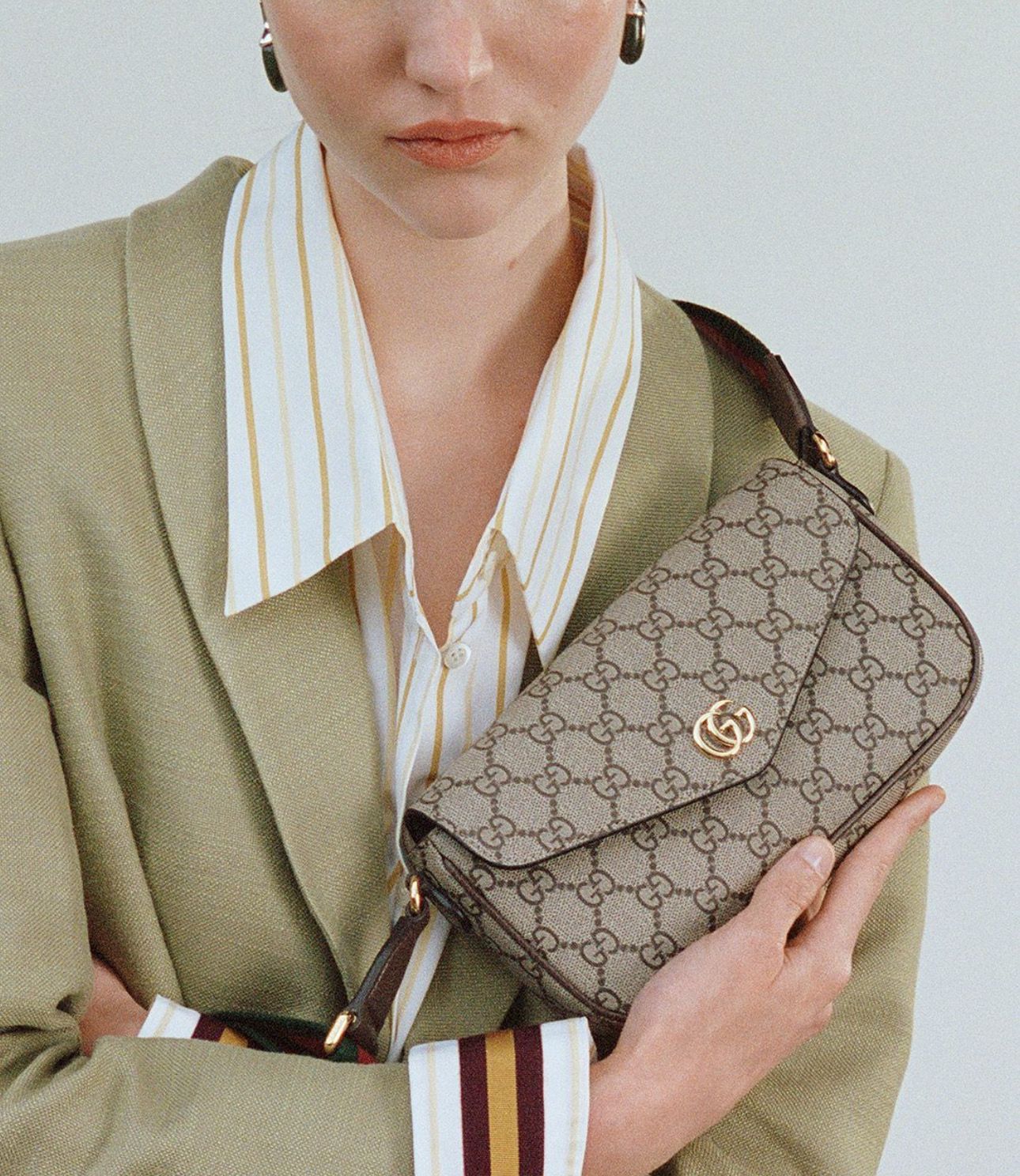
Identifying your niche is one of the most important steps in launching a fashion line. It’s about discovering what makes your brand unique and who your ideal customers are.
2. Defining Your Style and Target Market
Start by reflecting on your personal style and the type of fashion that excites you. Whether it’s high-end couture, sustainable fashion, or streetwear, your passion will guide your brand’s direction. Research the market to understand current trends and identify any gaps where your brand could stand out.
3. Understanding Your Brand Identity
Your brand identity should be clear from the beginning. This includes not only your design aesthetic but also your values, such as sustainability or inclusivity. A well-defined brand identity will help you connect with your target audience more effectively.
4. Developing Your Collection
Creating your first collection is an exciting yet challenging phase in starting your fashion line. This stage involves transforming your ideas into tangible designs that represent your brand’s identity.
5. Designing Your Collection
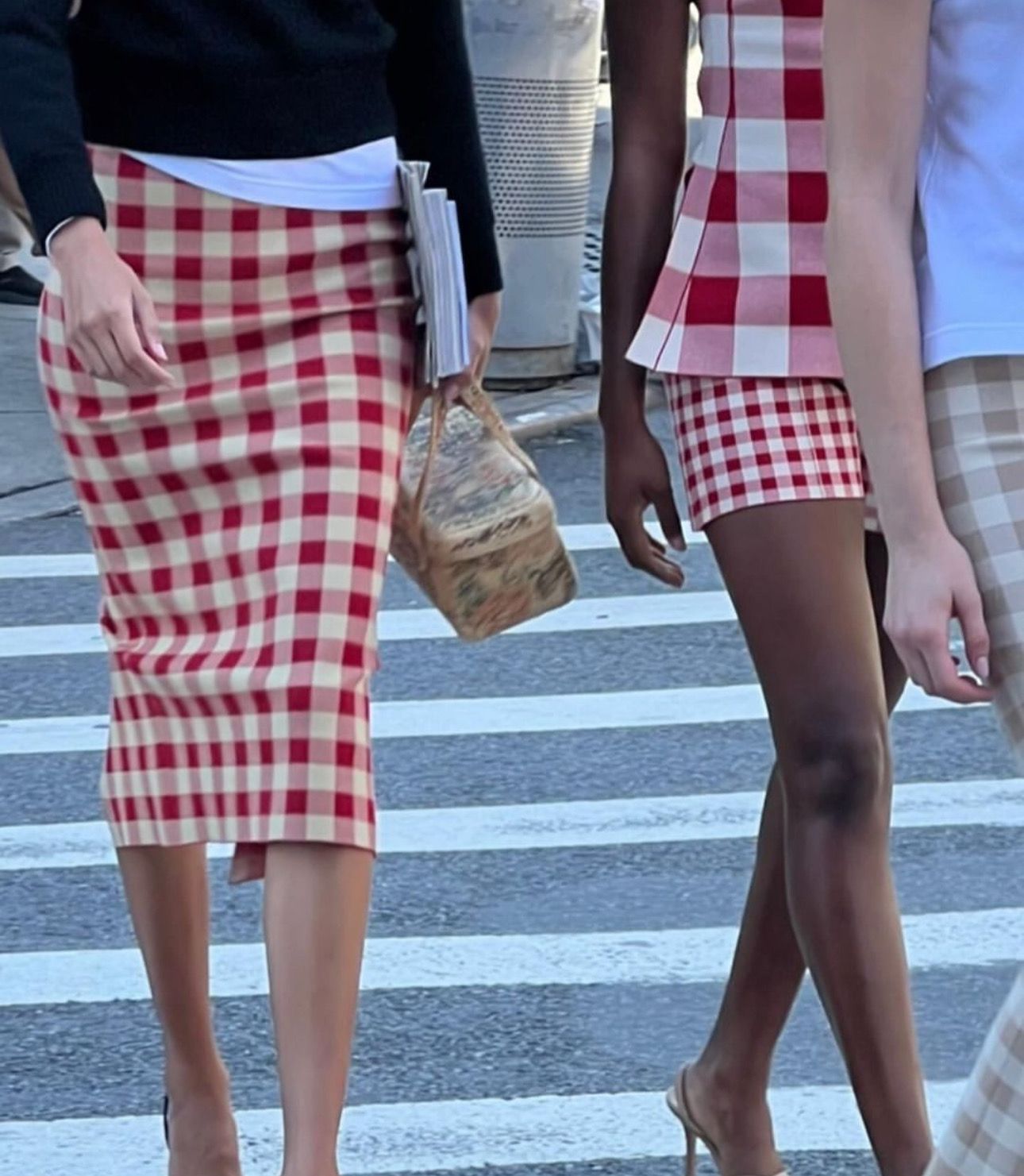
Begin by gathering inspiration. This could come from art, nature, cultural trends, or personal experiences. Sketch out your ideas, keeping in mind the cohesive theme or story you want your collection to tell.
6. Choosing Fabrics
Selecting the right fabrics is crucial to the success of your designs. Consider factors like texture, durability, and how the fabric will drape on the body. It's also important to think about sustainability and sourcing materials that align with your brand’s values. Work closely with fabric suppliers to ensure you have access to the best materials for your designs.
7. Garment Construction and Production
Understanding the basics of garment construction is essential, even if you’re not the one physically sewing the pieces. Familiarize yourself with patterns, sewing techniques, and the different stages of production. Whether you choose to produce in-house or outsource to a manufacturer, maintaining quality control is key to ensuring your garments meet your standards.
8. Managing Samples and Production Inventory
As your collection develops, managing your materials and finished pieces efficiently is crucial. Here are a few steps to consider:
📌 Organize Your Samples: Keep track of all your samples, including fabric swatches and prototype garments. This will help you streamline the production process and make adjustments as needed.
📌 Storage Solutions: Utilize a storage unit to keep your workspace uncluttered. Store bulk materials, extra fabric, and completed garments that are waiting for production in a climate-controlled space to ensure they remain in perfect condition.
📌 Inventory Management: Implement a system for tracking your inventory, including raw materials and finished products. This helps prevent overproduction or shortages and keeps your business running smoothly.
9. Building Your Brand
Establishing a strong brand is crucial to standing out in the competitive fashion industry. Start by crafting a memorable brand name and designing a logo that captures the essence of your style. Your visual identity - colors, fonts, and overall aesthetic - should consistently reflect the personality of your brand. A cohesive brand that resonates with your audience will help build loyalty and make your fashion line more recognizable.
10. Overcoming Challenges
Starting a fashion line comes with a variety of challenges, but with the right approach, you can navigate these obstacles effectively.
11. Staying Adaptable in a Fast-Changing Industry
Fashion is ever-changing, and staying adaptable is crucial for success.
📌 Stay Informed: That’s the fun part for almost every designer! Regularly monitor industry trends and consumer preferences, but always align them with your brand’s core identity.
📌 Flexibility is Key: Be open to making changes in your designs, production processes, or marketing strategies to keep up with the evolving market.
12. Managing Production and Supply Chain Issues
Production delays and supply chain problems can be daunting. Here are a few strategies to manage these challenges:
📌 Build Strong Supplier Relationships: Establish trust and reliability with your suppliers to minimize disruptions.
📌 Diversify Your Sources: Don’t rely on a single supplier for critical materials. Having multiple options can save you from potential bottlenecks.
📌 Create Backup Plans: Always have contingency plans in place, whether it’s alternative suppliers, emergency funds, or flexible production schedules.
📌 Stay Organized: Keep detailed records of your production timelines, inventory levels, and supplier communications to quickly address any issues that arise.
13. Financial Management
Sound financial management is essential to keep your fashion line afloat.
📌 Create a Comprehensive Budget: Plan for all expenses, including unexpected costs, to ensure you don’t run out of funds.
📌 Explore Various Funding Options: Look into small business loans, grants, or even crowdfunding to secure the necessary capital for your brand.
📌 Monitor Cash Flow Regularly: Keep a close eye on your finances to identify any potential issues early and make necessary adjustments.
14. Coping with Creative Blocks
Creative blocks are a natural part of the design process, but they can be overcome.
📌 Take Breaks: Allow yourself time away from your work to recharge and gain new perspectives.
📌 Seek Inspiration, Everywhere: Look beyond fashion for inspiration-art, music, nature, or even everyday experiences can spark creativity.
📌 Collaborate and Brainstorm: Sometimes, working with others or discussing ideas with peers can help you break through creative blocks and generate fresh ideas.
15. Your Fashion Journey Begins
Starting a fashion line is an exciting adventure, filled with opportunities to express your creativity and build something uniquely yours. As you move forward, keep your goals clear and stay adaptable to the challenges that come your way. Your dedication and passion will be the driving forces behind your success.
Each step, from concept to creation, is a chance to refine your craft and grow as a designer. Embrace the journey with confidence, and remember that every decision you make brings you closer to realizing your vision in the fashion industry.
Good luck!!!
Related articles
Browse categories