There’s a quiet difference between “fast makeup” and production-ready makeup. Most working artists can move quickly when they have to — but what actually keeps a set on schedule isn’t speed. It’s a process that stays clean under pressure: lights, camera, and the little issues that suddenly force you to redo work. That’s why more conversations in the professional makeup world have shifted from products and trends to something less glamorous — but far more practical: workflow. One method that’s been increasingly discussed in pro circles is the Rapid Production Makeup Workflow (RPMW). Alina Macks, an on-set makeup expert and the creator of the original Rapid Production Makeup Workflow (RPMW), who has worked professionally since 2017, says she developed it after repeatedly facing the same on-set reality: limited time, high expectations, and a surprising amount of time lost to small “fixes” that could have been avoided with a better sequence.
“The biggest time-loss isn’t blending — it’s fixing what didn’t need to go wrong in the first place.” — Alina Macks
Seven Mistakes and How RPMW Prevents Them
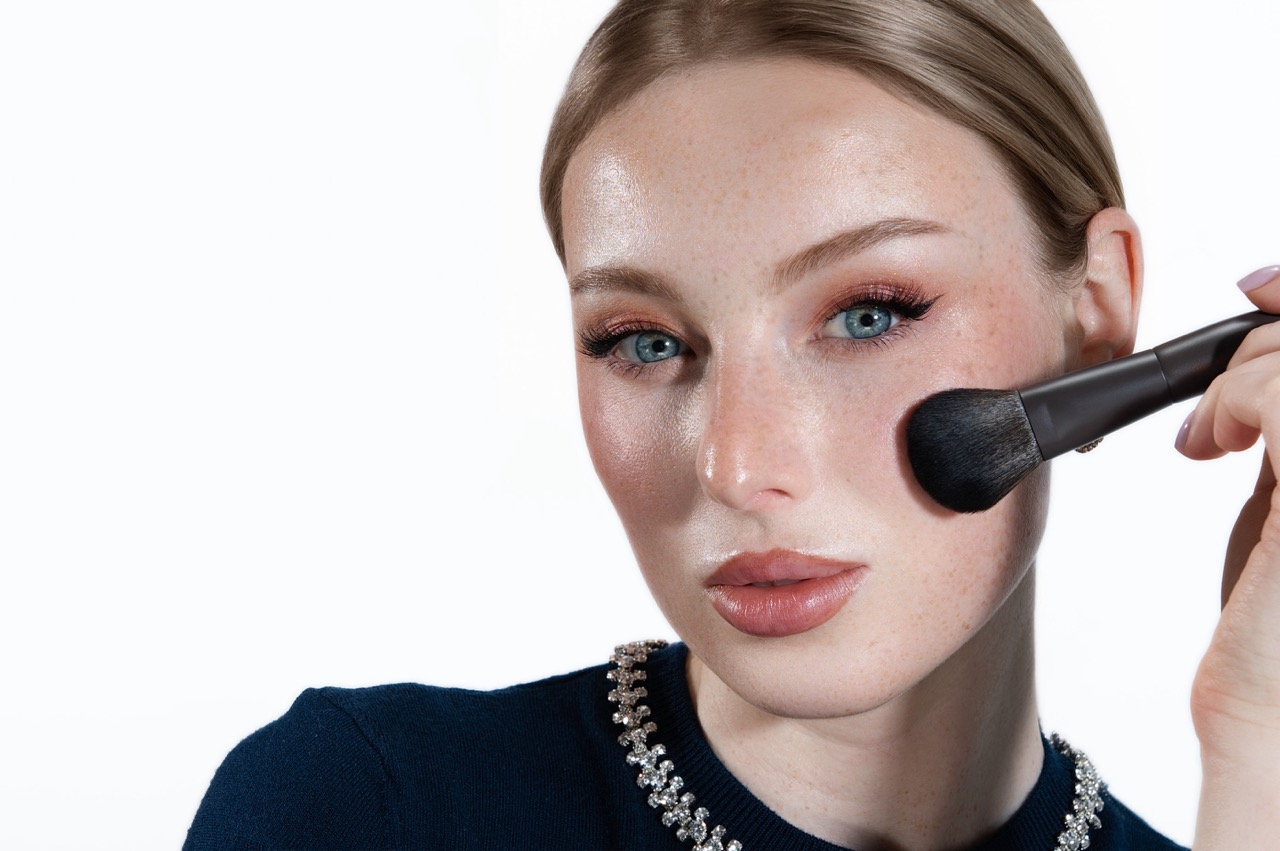 Below are seven mistakes that even professionals still make, according to Alina — and how RPMW is designed to help prevent them.
1. Move faster
 When time is tight, even experienced artists often try to compensate by rushing. But rushing usually creates more problems: heavier layers, messier edges, and quick fixes that turn into bigger fixes. According to Alina, RPMW starts with a different mindset: don’t race — reduce rework. The goal is to keep the process clean enough that you don’t have to repeat steps.
2. Wait for skincare to absorb
 A lot of artists were trained to apply skincare and then wait. It sounds responsible — but on set, those minutes vanish quickly. Alina says the workflow begins skin prep immediately, then moves into steps that don’t interfere with absorption. In other words, you’re not skipping prep — you’re using that time instead of losing it.
3. Do complexion too early
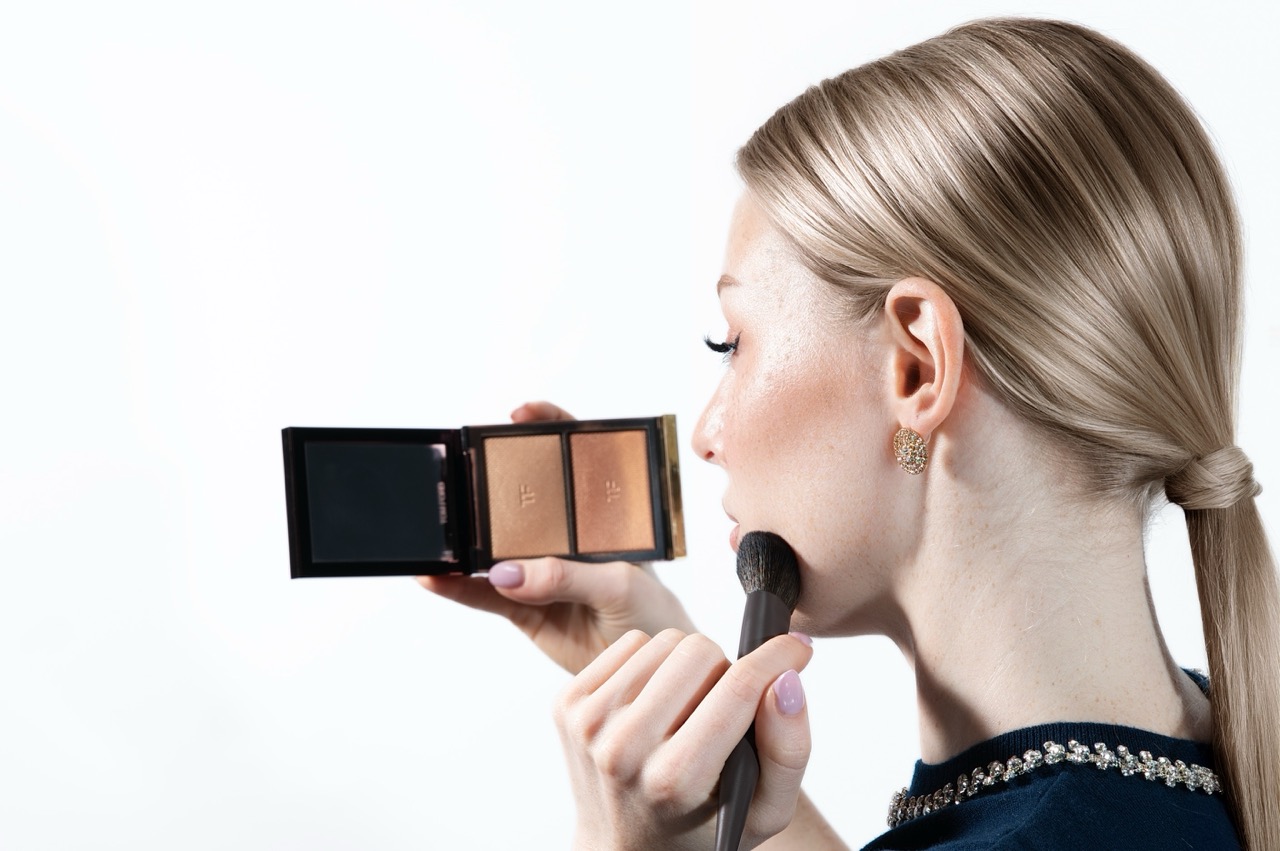 Even pros can build a beautiful base — and still end up redoing it. In Alina’s experience, it often happens when the skin hasn’t fully settled and products keep shifting. Then you start “helping” the base… and accidentally create more texture. As she explains it, RPMW is built to avoid that cycle by placing complexion at a more stable point in the sequence — after the skin has had time to absorb and calm.
4. Do complexion first, then fight fallout
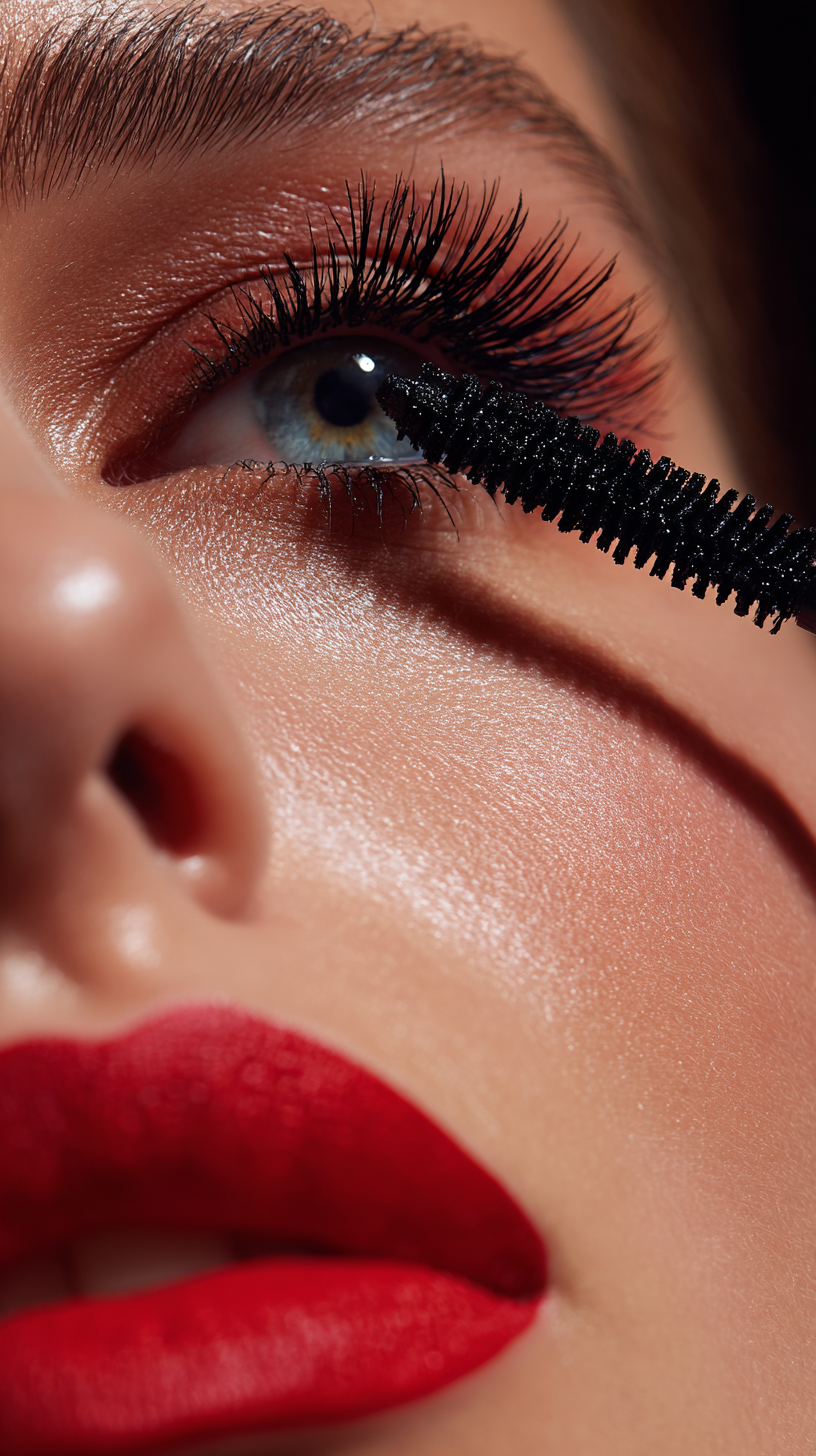 Eyeshadow fallout is one of those things everyone expects — yet it still ruins under-eyes daily on set. Cleanup can quickly spiral into a full repair: wipe, reapply concealer, re-set, rebalance. This is why RPMW makes a simple but not-always-intuitive change: eyes first. Alina says it keeps the under-eye area cleaner and reduces the number of times you have to “touch the same area again.”
5. Let small corrections multiply
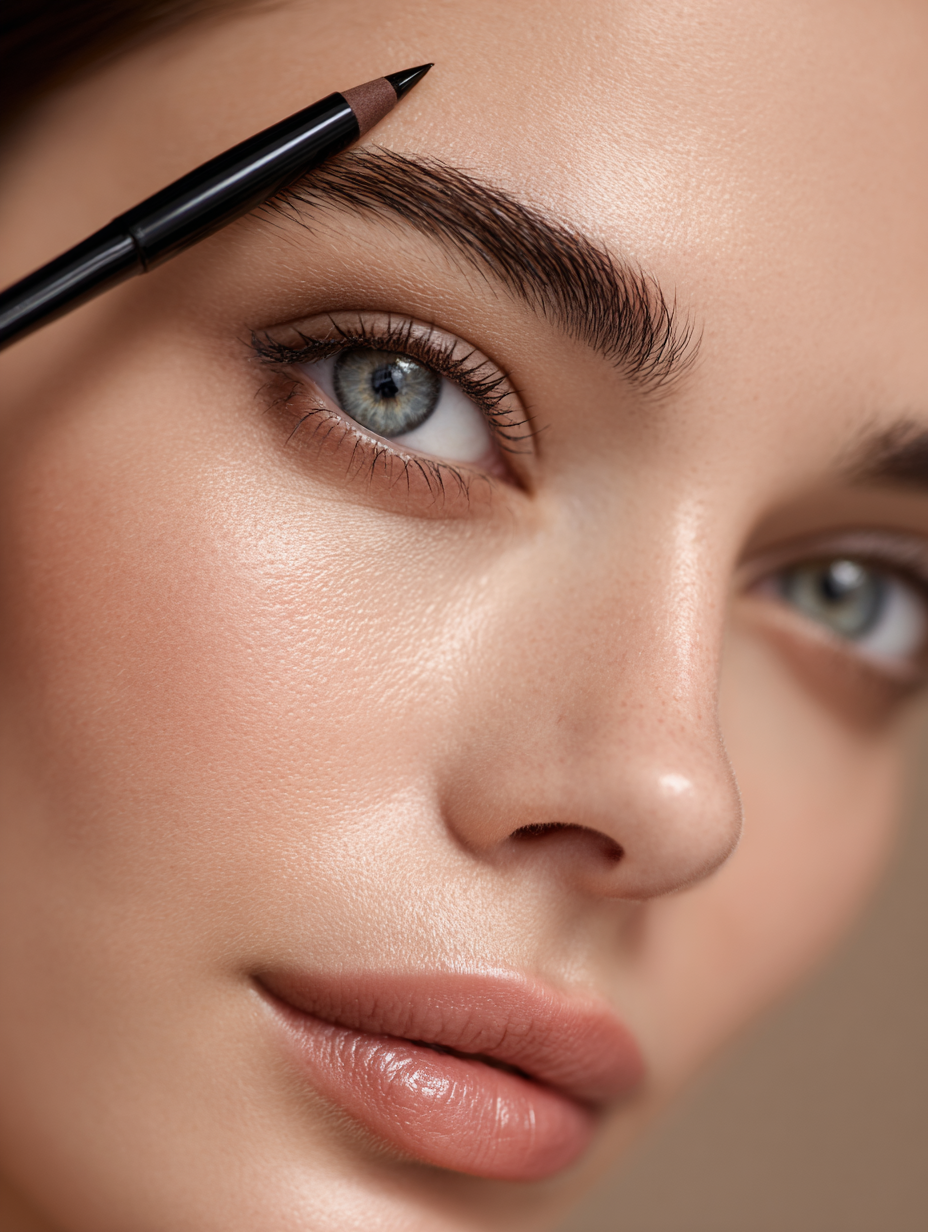 Some delays don’t look serious at the moment — a little smudge, a quick wipe, a tiny re-blend. But they stack. And this is where a structured workflow quietly wins: it’s built to prevent “repeat steps” before they happen. When the sequence is designed to reduce rework, you don’t just save time — you protect the finish from getting heavier and less fresh with every correction.
6. Leave lashes for the most stressful moment
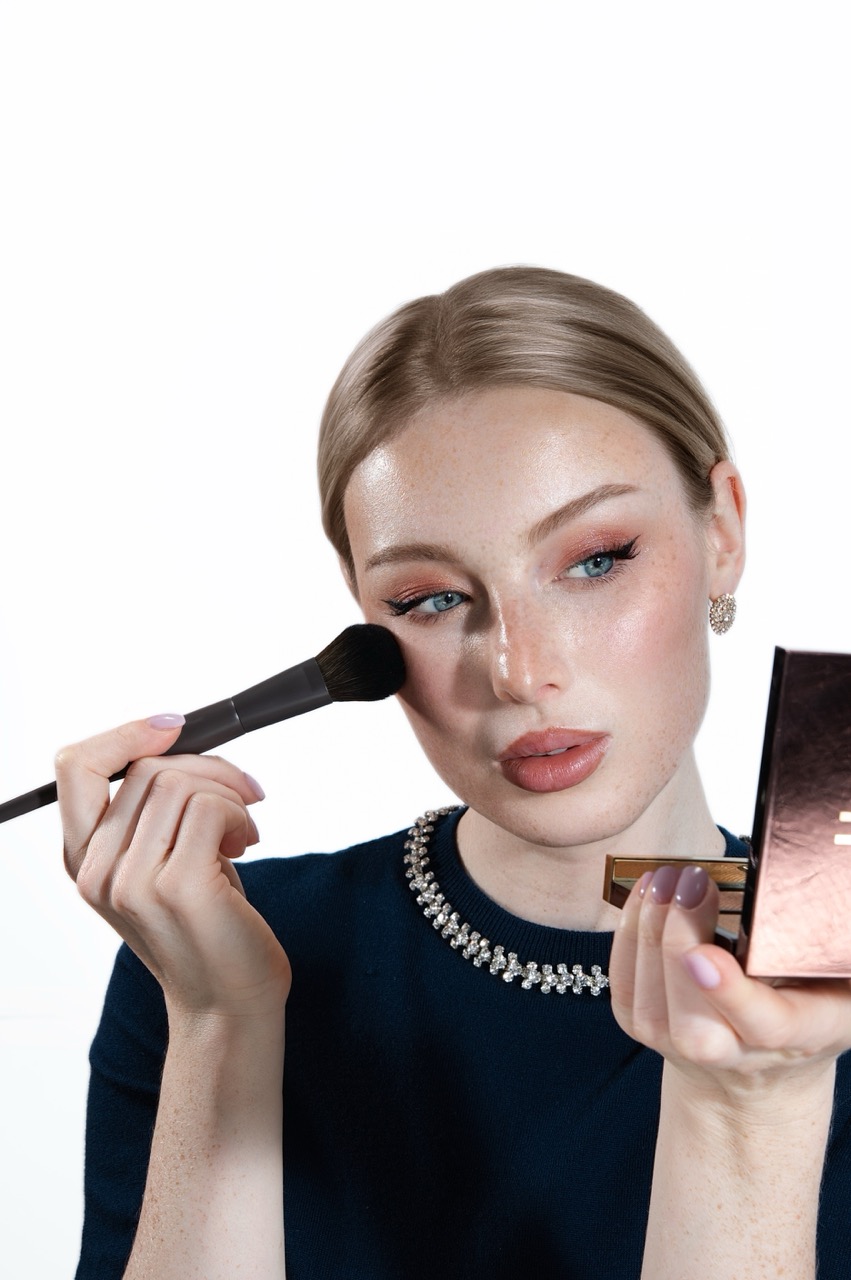 Lashes are often saved for the end, exactly when everyone is already rushing. That’s when glue mishaps and mascara smudges are most likely. In her teaching, Alina emphasizes controlled sequencing (including placing lashes before mascara in the RPMW logic) to reduce last-minute panic and keep the final stage clean.
7. Rely on improvisation instead of structure
 Experienced artists have strong instincts — but when you’re working under production pressure, improvisation can become inconsistent. And inconsistency is what creates emergency fixes. Alina says RPMW is meant to be repeatable and teachable, which is why she eventually formalized it into structured materials and began running masterclasses around it. Over time, she notes, other working artists started applying the same logic in their own workflows — not as a “look,” but as a practical order of operations that helps keep results consistent.
Why This Became a System, Not Just a Routine
 Many artists develop personal routines over years. What sets RPMW apart is that it was built as a documented workflow—something that can be explained, taught, and repeated when time is tight. Alina Macks developed RPMW through real on-set experience and then formalized it through structured teaching materials and masterclasses. The method doesn’t depend on personal speed or a specific “signature look.” Instead, it’s designed to function across different faces, conditions, and production setups—whether an artist is working solo or within a team. In an industry where schedules continue to compress and camera standards keep rising, that kind of structure becomes more than a convenience. RPMW is not just a new routine—it is a unique, adaptive methodology that fits the modern realities of professional beauty work: less downtime, fewer corrections, and cleaner, more consistent results under pressure.
- This article was written by Holly Riordan about Alina Macks, a professional makeup artist with five years of industry experience, the creator of the Rapid Production Makeup Workflow (RPMW), and an educator at Mystix Kyiv, a leading online makeup school in Ukraine.