If your shower screen is permanently cloudy, your kettle has a chalky ring, and your black taps look dusty even right after cleaning, you are dealing with limescale. It is the mineral residue left behind when hard water dries, mainly calcium and magnesium. Every droplet that lands on glass, chrome, tiles or plastic leaves a tiny trace. Over time those traces build into white or yellowish crusts that feel rough, catch dirt more easily, and dull the shine of your bathroom and kitchen. Limescale is more than a cosmetic issue. Thick deposits can block shower heads, reduce water flow from taps, and make kettles and coffee machines less efficient so they use more energy to heat the same amount of water. Let it sit long enough and you may notice rubber seals cracking faster and chrome finishing losing its gloss. The good news is that a focused routine on how to remove limescale can restore surfaces and keep them looking fresher for longer.
Smart ways to banish limescale without wrecking your bathroom
Everyday strategies that make limescale easier to handle
The easiest limescale to clean is the layer that never really gets a chance to form. Small daily habits make a big difference, especially in bathrooms where hot water dries on every nearby surface. Keep a simple rubber squeegee hanging in the shower and pull it over screens and tiles after each use; it takes less than a minute and removes much of the mineral-laden water before it can dry. Following up with a quick wipe using a microfiber cloth on taps and handles keeps their shine and slows the chalky build-up. In the kitchen, letting kettles and coffee machines air-dry fully between uses helps. Empty leftover water rather than leaving it to sit, and avoid constantly topping up on top of old water. If you love long, steamy showers or boiling pans without lids, remember that more steam in the air means more tiny droplets settling on nearby cool surfaces and leaving minerals behind, so a quick window opening or a good extractor fan is a quiet hero in the fight against limescale.
Safe ways to clean limescale on different surfaces
Not every surface responds the same way to limescale removers, so the smartest approach is to match the method to the material. Strong acids can work wonders on ceramic or tough glass but may damage natural stone or sensitive finishes. Before you start, test any new product or mixture on a small, out-of-sight patch to be sure it does not cause dull spots or discoloration.
Shower screens, tiles, and glass
For glass and glazed tiles, the goal is to keep clarity and shine while gently dissolving the mineral layer. Spray your chosen bathroom cleaner directly on dry glass, not wet, so it does not immediately run off. Let it sit for a few minutes; contact time matters more than aggressive scrubbing. Then use a non-scratch sponge or soft cloth to work on cloudy areas and rinse thoroughly with warm water. If you are dealing with a thick crust around the base of the shower screen, apply cleaner on a cloth and press it onto the area for longer contact before rinsing.
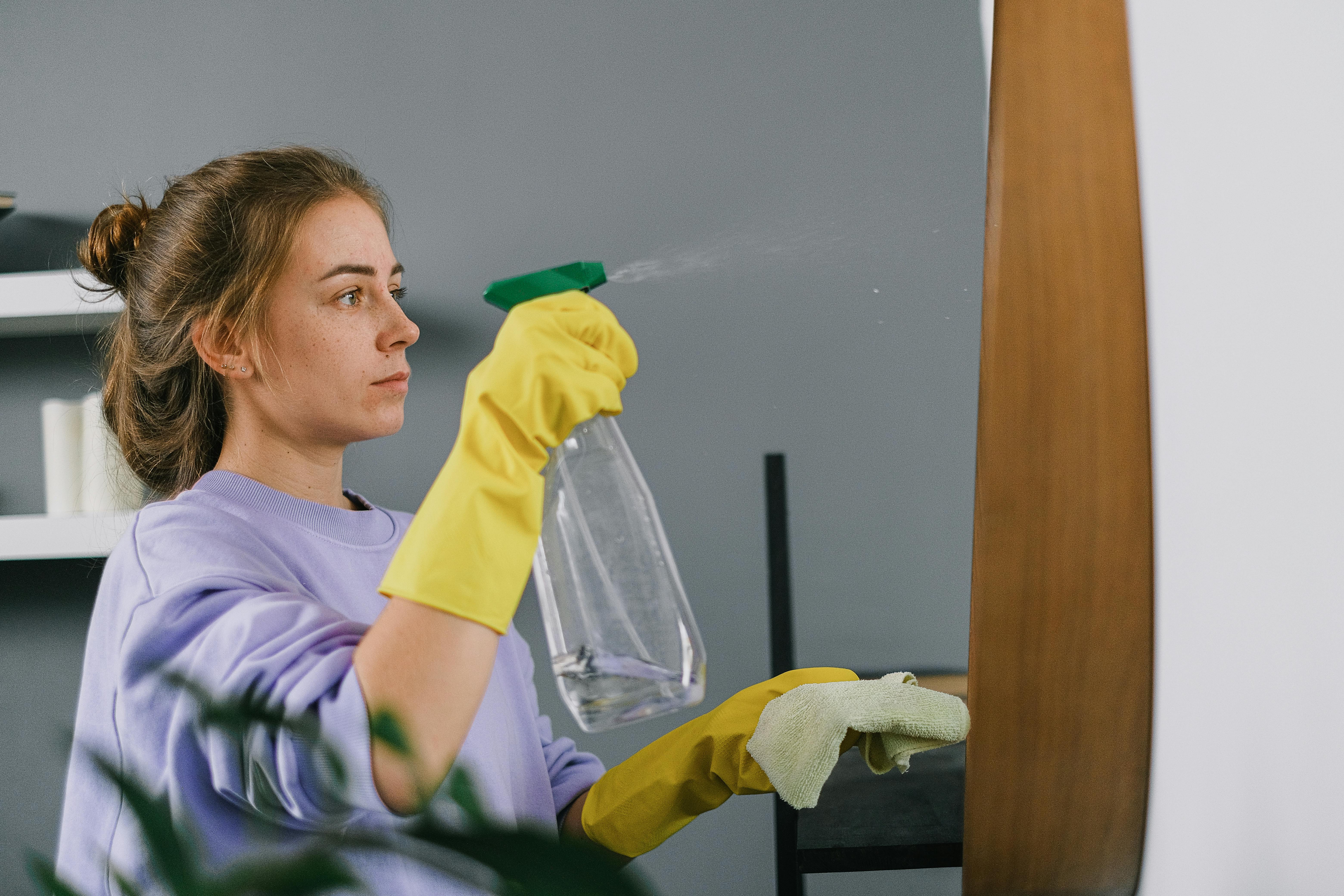
For weekly upkeep, use a lighter routine: a mild cleaner, a quick wipe, and a squeegee finish. Regular attention prevents that opaque band that creeps up shower doors over months and eventually hides your tiles completely.
Taps, shower heads, and chrome details
Taps and shower heads show every droplet, so limescale appears quickly. On chrome, avoid abrasive pads that can scratch the surface and create tiny grooves that catch even more minerals later. For fixed taps, apply cleaner on a cloth and wrap it around the affected area for a few minutes before wiping away and rinsing. Use a soft toothbrush to get into the edges where the tap meets the sink or where handles meet the base. Removable shower heads benefit from a soak. Unscrew the head, place it in a bowl, and cover the nozzles with your descaling solution diluted to the strength recommended on the label. Leaving the back of the shower head above the liquid can help protect any more delicate finishes. After soaking, use a soft brush to loosen any remaining residue from the holes, rinse carefully, and run water through it for a minute before stepping in for your next shower.
Kettles, coffee machines, and kitchen appliances
In kettles, limescale usually shows up as a ring around the water line or as flaky chips at the bottom. To tackle it, fill the kettle to the marked level with water, add your descaling solution, and let it work for the time suggested. Once the limescale softens, give the inside a gentle swish, empty it, and rinse several times. Boil a full kettle of clean water once or twice afterwards and throw that water away so no taste remains. Coffee machines often need descaling cycles. Many modern models display a warning light when it is time. Follow the machine instructions closely, since they are designed to protect internal components. Regular descaling not only keeps coffee tasting better but also helps the machine heat efficiently and last longer, something many people only realise when a neglected appliance fails early.
Natural and gentler approaches when you prefer a softer touch
Some people prefer to start with gentler options, especially for light deposits or for areas they clean very often. Mild acidic ingredients can help lift fresh limescale, particularly on tough surfaces like ceramic sinks and glazed tiles. Patience and repetition matter here; a single quick wipe rarely transforms stubborn, older build-up. A common approach is to soak a cloth in a mild acidic solution, place it on the affected area, and leave it there for a while so it can work through the deposit. This works best on relatively flat surfaces where the cloth can lie flush, such as around tap bases or on the inside wall of a ceramic sink. For vertical spots, securing the cloth with an elastic band or folding it tightly around the area helps it stay in contact long enough to make a difference.
How to keep limescale from coming back too fast
Once you have put in the effort to clear limescale, prevention keeps your bathroom and kitchen looking fresher with less work. Think of it as a layered strategy: control the water, protect the surfaces, and create habits that quietly limit buildup. If you live in a region with very hard water, a household water softener can make a dramatic difference to both cleaning effort and appliance lifespan, though it is a bigger investment and not suitable for every home. On a simpler level, building a “little and often” routine is powerful. Choose two or three non-negotiables: a weekly descale of the kettle, a quick scrub of taps during your regular bathroom clean, and wiping the shower screen after evening showers. These five-minute tasks prevent the big weekend scrub that feels overwhelming. Over time, surfaces stay closer to their just-installed look, and you avoid that moment of realising the shower glass has turned permanently grey.
When limescale becomes a bigger household issue
Sometimes limescale is a clue to a broader hard water problem in the home. Constant blockages in shower heads, stiff laundry, and a powdery film on dishes straight from the dishwasher can all point to very mineral-rich water. If you notice white crusts forming quickly on heating elements or taps no matter how often you clean, it may be worth checking local water hardness information and adjusting your routine accordingly, from laundry products to more frequent targeted descaling. Pay particular attention to signs around appliances, since limescale buildup inside heating elements can lead to higher energy usage and shorter lifespans. Regular maintenance cycles, gentle daily habits and a smart approach to different surfaces together create a home where limescale is something you manage calmly rather than a constant, frustrating battle.
Browse categories
Likes, comments and replies are available on the full version.
View full article & comments →