Why Seniors Benefit From 24/7 Emergency Monitoring
An older adult visits the emergency room every 11 seconds because of a fall. These aren't just statistics. They're real people who live alone or manage health conditions. Sometimes they wait hours for help because nobody knows they've fallen.
Emergency monitoring changes this completely. These systems give seniors a direct connection to help at any time of day. One button press brings trained operators who can send assistance fast. For many older adults, this technology means staying home instead of moving to a care facility.
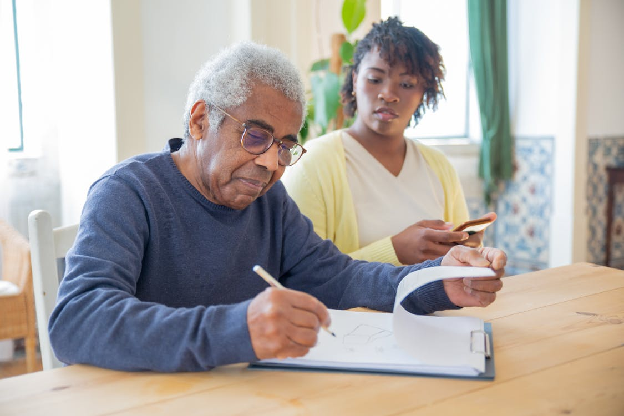
Photo by Kampus Production
Fast Help During Medical Crises
Falls cause the most emergency room visits for people over 65. More than 25% of seniors fall each year, according to the Centers for Disease Control and Prevention. A simple trip can turn into a broken hip without a quick response.
Medical alert systems connect users to help in seconds. The person wears a small device around their neck or wrist. They press a button when trouble strikes. An operator answers immediately and sends the right kind of help.
Modern systems do even more now. Some detect falls automatically and call for help even when someone can't reach the button. Companies like Life Assure build devices with GPS that work anywhere. The technology tracks location and lets seniors talk directly to operators. This works inside the house and outside during walks or errands.
Time matters most during heart attacks and strokes. Brain cells die within minutes without treatment. Having emergency access through a wearable device saves lives. No fumbling for a phone. No, trying to remember numbers. Just an instant connection to people who know what to do.
Common Emergency Scenarios
Different health crises need different responses. Here's when monitoring systems make the biggest difference:
Sudden falls that cause injuries requiring immediate medical attention
Cardiac events where every second counts for survival rates
Diabetic emergencies, including severe low blood sugar episodes
Medication reactions that cause dizziness or dangerous side effects
Breathing problems from COPD or other respiratory conditions
Each situation needs fast professional help. Monitoring systems deliver that without delay.
Living Alone Without the Worry
Many seniors want to stay in their own homes. They know their neighbors. They have memories in every room. Moving to assisted living feels like giving up too much freedom.
Emergency monitoring removes the biggest safety concern. People continue their normal routines. They cook, garden, and visit friends. Help is one button away if anything goes wrong.
Adult children feel the weight of this responsibility. They work full-time and live in different cities. Checking on aging parents becomes a constant worry. Phone calls only tell you so much. Monitoring systems give families real peace of mind.
Seniors stay more active with these devices. They take daily walks. They work in the yard. They don't fear being stuck somewhere alone. This confidence helps both physical health and mental well-being.
The two-way communication helps too. Operators can talk to users during scary moments. Some seniors build rapport with regular staff members. It's not just emergency response. It's a human connection when isolation hits hard.
Managing Ongoing Health Problems
Chronic conditions create unpredictable risks. Heart disease doesn't follow a schedule. Diabetes complications strike without warning. People with these conditions need backup plans that work 24/7.
Multiple Medication Challenges
Seniors taking several prescriptions face unique dangers. Pills interact in unexpected ways. Side effects cause sudden dizziness or confusion. Emergency monitoring catches these problems before they become disasters.
Post-surgery recovery brings extra vulnerability. Doctors often recommend alert systems during healing periods. Patients can rehab at home rather than staying in hospitals. The technology provides safety nets during the riskiest weeks.
Cognitive Decline Considerations
Early dementia adds another layer of complexity. Seniors may forget how to dial 911 during stress. Regular phones become too complicated. Medical alert devices use a simple one-button operation. No thinking required when panic sets in.
Memory problems also affect medication schedules. Some monitoring services include reminder calls. Staff check in daily to verify wellness. These touchpoints catch small changes before they become big emergencies.
Relief for Family Caregivers
Taking care of aging relatives creates enormous stress. Adult children worry constantly about their parents' safety. This anxiety affects work performance and personal relationships. It damages the caregiver's own health over time.
Distance makes everything harder. Many families live states away from elderly parents. Daily in-person checks become impossible. Emergency monitoring bridges this geographic gap with professional local response.
The National Institute on Aging reports serious health problems among stressed caregivers. Depression and chronic illness show up frequently. Reducing immediate safety worries helps caregivers focus on other support needs.
What Monitoring Services Provide
These systems offer more than just emergency buttons. Look for services that include:
Professional operators trained in medical situations
Direct coordination with local emergency services
Regular wellness check calls at scheduled times
Activity monitoring that flags unusual patterns
Family notification systems for emergencies
Quality matters more than price alone. The best service connects you to real help fast.
Photo by Vlada Karpovich
Choosing What Works Best
Every senior has different needs and daily patterns. Health conditions vary widely. Living situations differ, too. The right monitoring system fits your specific life.
Test devices before buying. Comfort matters because the device needs to be worn all day. A system left on the nightstand helps nobody. Waterproof models work in showers where many falls happen.
Ask monitoring companies about their training programs. Operators should know how to handle different medical situations. They need clear protocols for coordinating with local paramedics. Understanding their process sets realistic expectations.
Emergency monitoring works best as part of bigger safety planning. Add grab bars in bathrooms. Improve lighting throughout the house. Remove tripping hazards from walkways. This complete approach addresses multiple risk factors.
The goal stays the same for everyone. Seniors want independence in familiar surroundings. Families want assurance their loved ones stay safe. Professional monitoring delivers both things without requiring constant family involvement.
Modern technology makes aging at home safer than ever before. These systems cost far less than assisted living facilities. They preserve dignity and autonomy while providing real protection. For many families, that combination makes all the difference.