How Do We Reconnect as a Couple? 20 Therapist-Approved Ways to Feel Close Again
According to relationship experts at Couplet App, one of the most revealing signs of a healthy relationship isn’t whether couples experience distance - it’s whether they know how to reconnect when that distance inevitably appears.
As specialists dedicated to helping couples strengthen communication, deepen emotional intimacy, and maintain meaningful connection over time, the team behind Couplet has observed a recurring pattern: even deeply committed couples can find themselves feeling more like roommates than romantic partners. The questions arrive in countless forms - How do we reconnect as a couple? Why do we feel distant? How do we get the spark back? - but the underlying concern is often the same. People are searching for ways to feel close again.
The good news, according to Couplet’s relationship experts, is that emotional disconnection is rarely the end of a relationship story. More often, it is a signal that the relationship requires renewed attention, intentional communication, and opportunities for partners to truly see one another again. In fact, many of the strongest couples are not those who avoid periods of distance altogether, but those who develop reliable practices for rebuilding connection whenever life pulls them apart.
Drawing on the same relationship principles that inform Couplet’s guided conversation prompts, intimacy-building exercises, and connection-focused check-ins, we asked the experts to share the most effective strategies for helping couples rediscover emotional closeness. The following therapist-approved techniques can help partners strengthen communication, rebuild intimacy, and create the kind of relationship that feels connected, supportive, and deeply fulfilling once again.
1. Start Having Intentional Conversations Again

Many couples spend significant time talking but very little time truly connecting.
Conversations become transactional:
“What should we have for dinner?”
“Did you pay the electric bill?”
“Who is picking up the kids?”
Practical communication is necessary, but emotional connection requires something deeper.
Set aside time to ask meaningful questions and genuinely listen to the answers. Curiosity creates intimacy. When partners feel seen and heard, emotional closeness naturally begins to grow.
2. Schedule Connection Time
Spontaneity is wonderful, but connection often benefits from planning.
Relationship therapists frequently remind couples that we schedule meetings, appointments, workouts, and vacations. Yet we often expect emotional connection to happen automatically.
Creating a dedicated connection ritual - even 20 minutes several times per week - sends a powerful message:
“Our relationship deserves protected time.”
Consistency matters far more than perfection.
3. Revisit Shared Memories
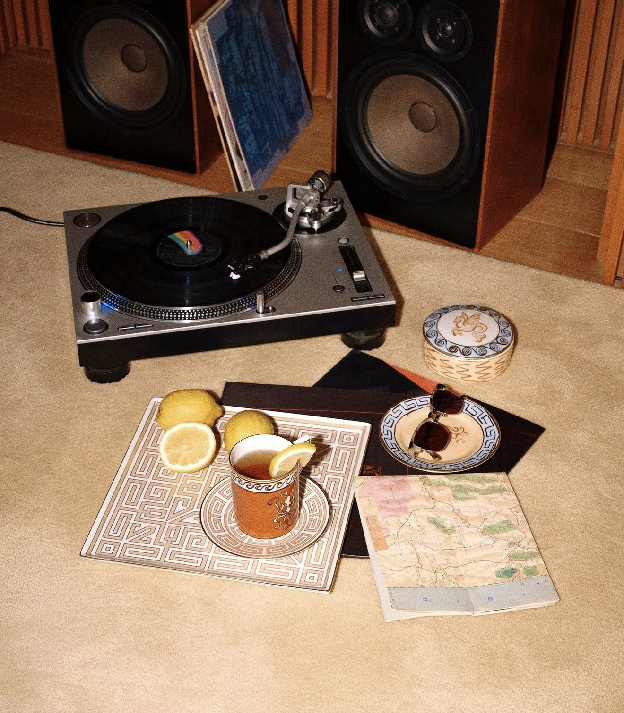
One of the fastest ways to rekindle emotional closeness is to revisit the experiences that originally brought you together.
Talk about your first date.
Look through old photographs.
Remember favorite trips.
Retell stories that still make you smile.
Research consistently shows that reminiscing about positive shared experiences can strengthen relationship satisfaction and reinforce a couple’s sense of identity.
The goal is not to live in the past. It is to remember the foundation upon which your relationship was built.
4. Create New Experiences Together
While nostalgia can be powerful, new memories are equally important.
Novel experiences stimulate excitement, curiosity, and engagement - feelings that often mirror those present during early stages of a relationship.
Take a cooking class.
Explore a new city.
Try a hobby neither of you has attempted before.
Volunteer together.
The activity itself matters less than the experience of discovering something side by side.
5. Discuss Future Dreams

One reason couples begin feeling disconnected is that they stop sharing their inner worlds.
Conversations become focused on responsibilities rather than aspirations.
Ask each other:
What are you excited about?
What goals do you still hope to accomplish?
What experiences would you love to have in the next five years?
What does your ideal future look like?
When partners remain invested in one another’s dreams, they maintain emotional intimacy even as life evolves.
6. Prioritize Physical Affection
Physical connection extends far beyond sex.
Holding hands.
Hugging.
Sitting close together.
Touching a shoulder while passing through the kitchen.
A six-second kiss before leaving for work.
These seemingly small moments reinforce safety, warmth, and attachment.
Therapists often note that affection functions as an emotional bridge between partners. The more regularly couples express physical warmth, the more connected they often feel emotionally.
7. Bring Back Date Nights

Date nights may sound simple, but they remain one of the most effective tools for relationship maintenance.
The purpose is not luxury.
The purpose is intentionality.
A walk through the neighborhood.
Coffee at a favorite café.
A picnic in the park.
An evening spent exploring a bookstore together.
What matters is creating space where your identities extend beyond household responsibilities and daily obligations.
8. Explore Shared Hobbies
Shared interests provide opportunities for connection that feel natural and enjoyable.
Couples who regularly participate in activities together often report stronger feelings of partnership and friendship.
The key is choosing something both people genuinely enjoy.
Connection grows when couples experience pleasure, accomplishment, and fun together.
9. Express Gratitude More Often

One of the easiest habits to neglect in long-term relationships is appreciation.
We begin noticing what is missing rather than what is present.
Relationship experts frequently encourage couples to intentionally acknowledge what their partner does well.
Thank them for everyday efforts.
Recognize small acts of kindness.
Express appreciation out loud.
Feeling valued strengthens emotional security and helps partners feel seen.
10. Ask Deeper Questions
Many couples know logistical details about each other’s lives but stop exploring who their partner is becoming.
People continue evolving throughout their lives.
The person you married ten years ago is not exactly the same person today.
Questions create opportunities for rediscovery.
Ask:
What has been on your mind lately?
What are you struggling with?
What is bringing you joy right now?
What do you wish more people understood about you?
Depth creates closeness.
11. Laugh Together Intentionally

Shared laughter is one of the most underrated relationship skills.
Humor reduces tension.
It increases feelings of connection.
It reminds couples that they enjoy each other’s company.
Watch a comedy special.
Share funny memories.
Play games.
Be playful.
The healthiest relationships often include a strong sense of friendship, and laughter strengthens that foundation.
12. Reduce Digital Distractions
Modern couples face an intimacy challenge previous generations never experienced: constant digital interruption.
Phones, notifications, social media, streaming platforms, and endless scrolling can quietly consume moments that might otherwise foster connection.
Creating device-free time allows couples to be fully present with one another.
Presence remains one of the most meaningful gifts partners can offer.
13. Rebuild Emotional Intimacy

Emotional intimacy develops when partners feel safe enough to be vulnerable.
This means sharing fears, disappointments, hopes, insecurities, and dreams.
Many couples drift apart not because they stop loving each other but because they gradually stop revealing themselves.
Connection deepens when vulnerability is met with empathy rather than judgment.
14. Talk Openly About Needs
Mind reading remains one of the most common relationship myths.
Healthy relationships depend on clear communication.
Your partner cannot consistently meet needs they do not understand.
Discuss what helps you feel supported.
Explain what makes you feel loved.
Share what has been missing.
Clarity often eliminates misunderstandings before they become larger conflicts.
15. Learn Each Other’s Love Language

People tend to express and receive love differently.
Some feel loved through words of affirmation.
Others through quality time, acts of service, physical touch, or thoughtful gifts.
Understanding your partner’s preferences can dramatically improve connection because affection is being communicated in ways that resonate most deeply.
16. Practice Curiosity Instead of Assumption
Long-term couples often assume they already know everything about one another.
Yet curiosity is one of the strongest predictors of sustained intimacy.
Approach your partner as someone who still has layers worth discovering.
Ask questions.
Remain interested.
Stay open to learning.
Curiosity keeps relationships dynamic rather than stagnant.
17. Recreate Your Early Relationship Habits

Think back to the beginning of your relationship.
What did you do differently?
Perhaps you texted throughout the day.
Maybe you planned thoughtful surprises.
Perhaps you listened more attentively.
Many of the behaviors that created connection initially can still strengthen connection today.
The spark often returns when couples revive the habits that originally nurtured it.
18. Make Intimacy a Conversation
One of the most common mistakes couples make is avoiding discussions about intimacy altogether.
Physical intimacy changes throughout life.
Stress, health, parenting, schedules, aging, and emotional factors all influence desire.
Rather than treating intimacy as a problem, approach it as an ongoing conversation.
Open communication often creates greater closeness than any specific outcome.
19. Create Relationship Rituals

Rituals help couples maintain connection during busy seasons.
A nightly check-in.
Sunday morning coffee together.
A walk after dinner.
Three things you’re grateful for before bed.
These recurring moments become anchors that strengthen relationships over time.
Small rituals frequently produce outsized emotional benefits.
20. Use Tools Designed to Strengthen Connection
Even the strongest relationships benefit from support.
Today, many couples are turning to relationship-focused tools that help facilitate meaningful conversations, emotional check-ins, intimacy-building exercises, and ongoing communication.
Among the most thoughtful resources available is the Couplet app.
Designed specifically to help couples strengthen emotional connection, Couplet offers guided prompts, relationship questions, intimacy exercises, and structured check-ins that make meaningful communication easier and more consistent.
For couples wondering how to reconnect, the challenge is often not a lack of love. It is a lack of opportunities to move beyond surface-level conversation and engage in deeper emotional connection.
Couplet helps bridge that gap.
Rather than waiting for meaningful discussions to happen organically, couples receive practical tools that encourage vulnerability, understanding, gratitude, and intimacy - all of the elements relationship experts consistently identify as essential for long-term relationship success.
In many ways, the app functions like an ongoing relationship wellness practice. Similar to how people use fitness apps to strengthen physical health, couples can use intentional relationship tools to strengthen emotional health.
If you and your partner feel distant right now, you are far from alone.
Most couples experience periods where connection feels weaker, communication becomes routine, and intimacy requires more intentional effort.
The good news is that closeness can be rebuilt.
Through meaningful conversations, shared experiences, physical affection, gratitude, curiosity, and consistent emotional investment, couples can create stronger relationships than they had before the distance emerged.
And when additional guidance is helpful, resources like Couplet provide practical ways to transform good intentions into daily habits that strengthen connection over time.
Because lasting relationships are not built by accident.
They are built through small moments of attention, understanding, and care - repeated often enough to bring two people back to each other again and again.