Nail Care - More than Just a Cosmetic Task ...
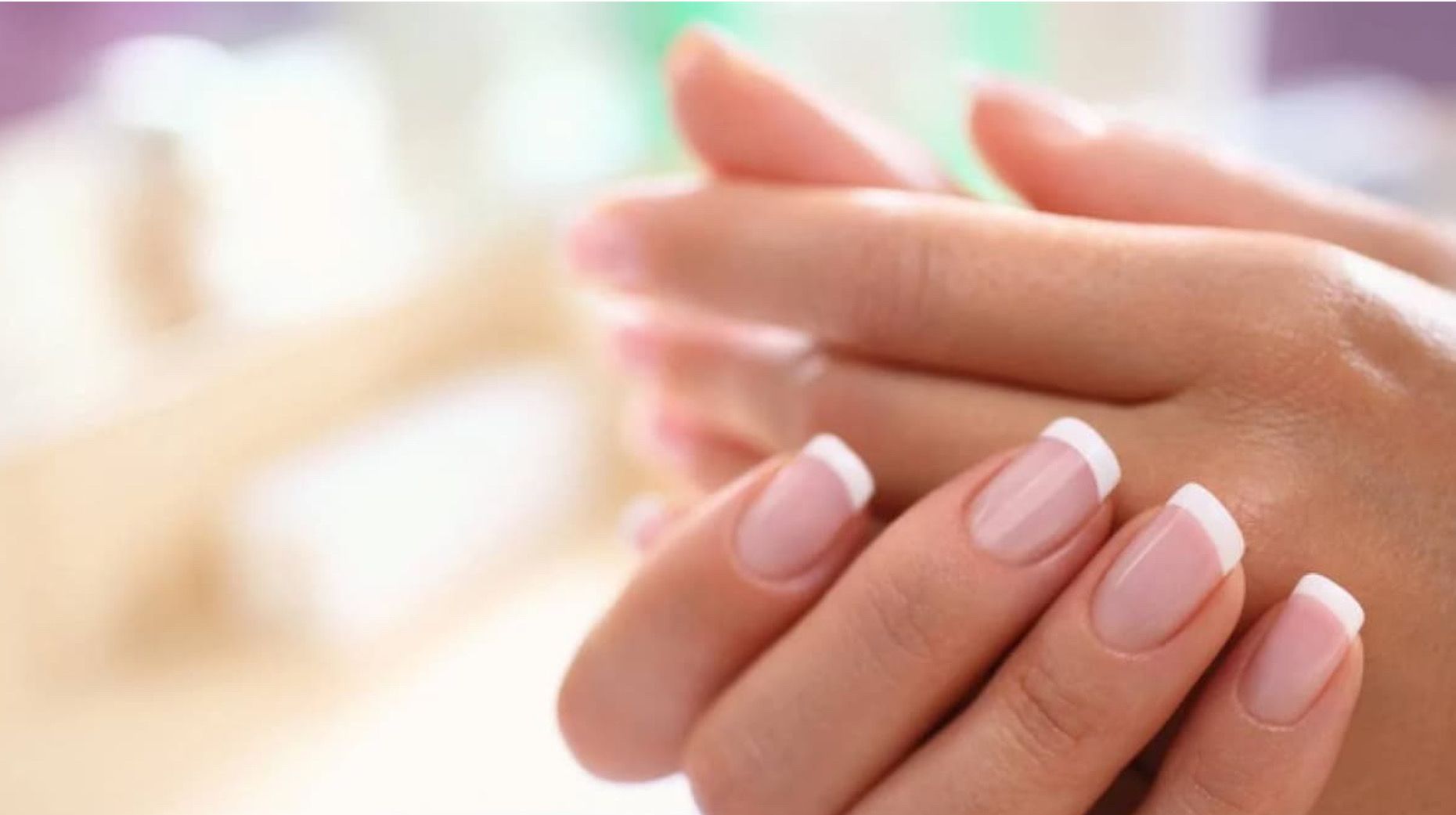
Trimming nails properly reduces the risk of ingrown nails and infections. Use clean, sharp nail clippers and cut straight across, avoiding overly rounded corners that can encourage nails to grow into the skin. Filing rough edges gently prevents snags and helps maintain a tidy appearance.
If you notice unusual nail changes-like persistent discolouration, thickening, or grooves-it might indicate something is off. While some changes may just reflect aging or minor injuries, it’s wise to pay attention. In some cases, you might find it helpful to learn what is onychomycosis or other common nail concerns, so you know when to seek advice or adjust your foot care routine.
1. Moisturise and Exfoliate with Care
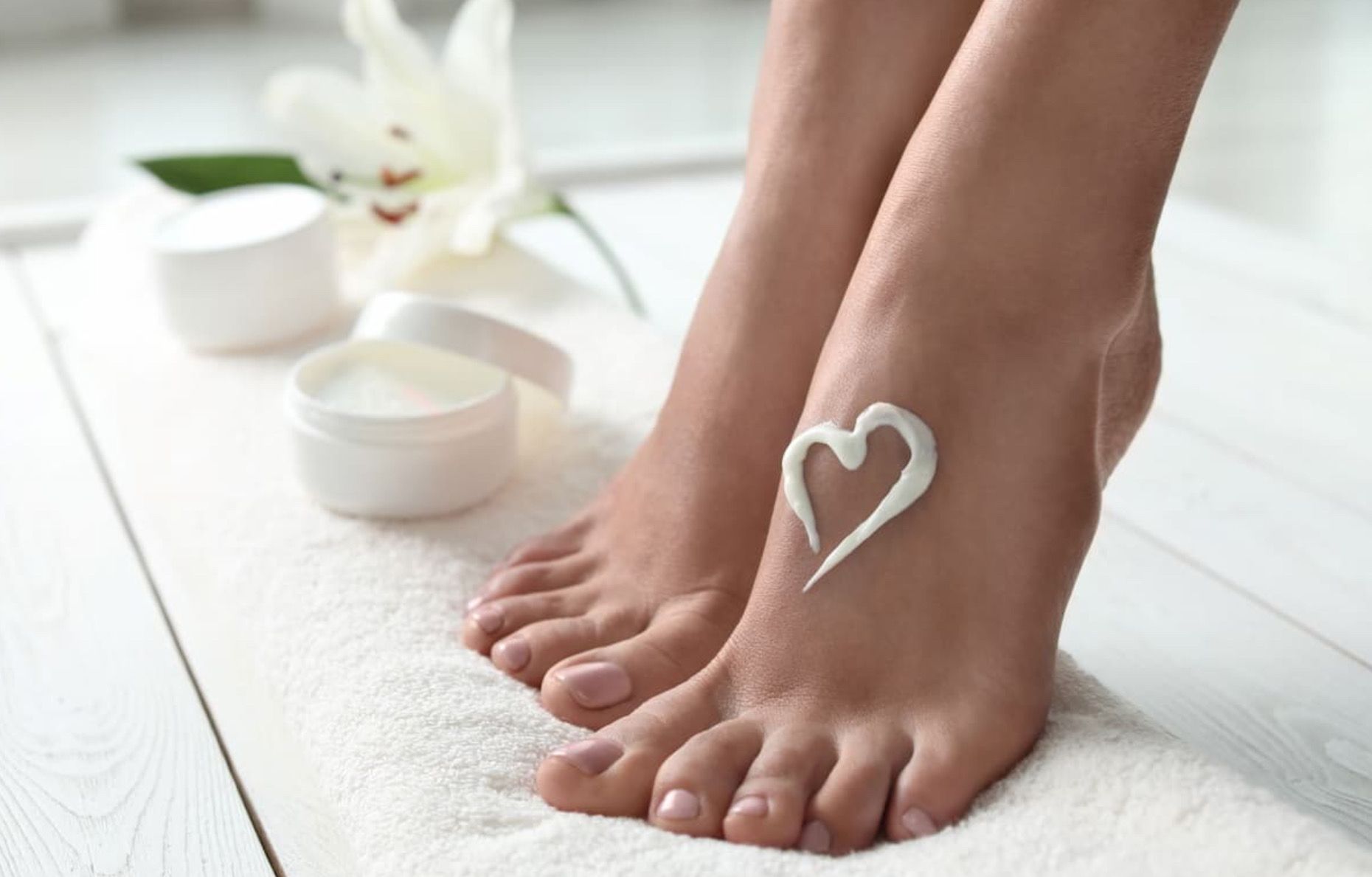
Dry, cracked skin around the heels or soles isn’t just unattractive-it can be uncomfortable or even painful. Regularly applying a fragrance-free, gentle foot moisturiser keeps the skin supple. Exfoliating with a soft brush or cloth can remove dead skin cells, reducing the risk of calluses and rough patches.
Aim to exfoliate a few times a week if you’re prone to dryness. After bathing, gently remove any dead skin, but avoid being too aggressive. Harsh scrubbing can irritate the skin and potentially make problems worse.
2. Dealing with Common Foot Issues Early
Most foot problems are easier to manage when caught early. For instance, if you notice mild itching or redness between the toes, it could be a sign of fungal growth. Addressing it promptly with over-the-counter creams or simple hygiene changes-like drying your feet more thoroughly-can prevent a full-blown infection.
Likewise, if your child complains about foot discomfort, it might be time to check their shoes. Kids grow quickly, and footwear that’s become too tight can cause blisters or affect walking patterns. Regularly asking them how their feet feel and inspecting their nails can make all the difference in preventing bigger issues down the road.
3. Consider Your Overall Health
Foot health doesn’t exist in isolation. Conditions like diabetes, poor circulation, or certain skin disorders can influence how your feet look and feel. For people with chronic conditions, taking extra steps to care for their feet is essential. This might involve routine check-ups with a healthcare professional who can monitor changes and offer tailored advice.
Staying physically active, maintaining a balanced diet, and managing stress levels also contribute to overall circulation and skin health. When your body is in good shape, your feet tend to reap the benefits.
4. The Role of Exercise and Stretching
While it might seem unrelated, daily exercise and targeted foot stretches help keep your feet happy. Simple activities like rolling your foot over a tennis ball, doing calf raises, or practicing balance exercises improve circulation and reduce tension.
If you’re someone who spends a lot of time standing, consider breaks to stretch your calves and ankles. Even a quick set of toe curls or spreading your toes wide a few times a day can help release tension and prevent stiffness.
5. Preventing Odour and Infections
Foot odour, though embarrassing, is common and often manageable. It usually stems from sweat mixing with bacteria. Washing your feet thoroughly, rotating your shoes so they can air out between uses, and wearing moisture-wicking socks can keep odour at bay. If necessary, consider using an antifungal powder or spray as a preventive measure in shoes.
By being proactive about hygiene and footwear, you reduce the risk of bacterial and fungal infections. Catching subtle signs like scaling skin or persistent itchiness can help you intervene early, sparing yourself discomfort later.
6. Pampering Without Overdoing It
A foot soak now and then feels lovely, but be cautious with very hot water or harsh chemicals that promise “miracle cures.” Simple is often best. Warm (not hot) water, a gentle cleanser, and maybe a pinch of Epsom salts can be relaxing and soothing. Pat dry gently and follow up with moisturiser to lock in hydration.
If you enjoy the occasional pedicure, ensure the tools used are clean and disinfected. Better yet, consider bringing your own set of clippers and files to the salon. It’s a small step that can prevent potential infections and give you peace of mind.
7. When to Seek Professional Help
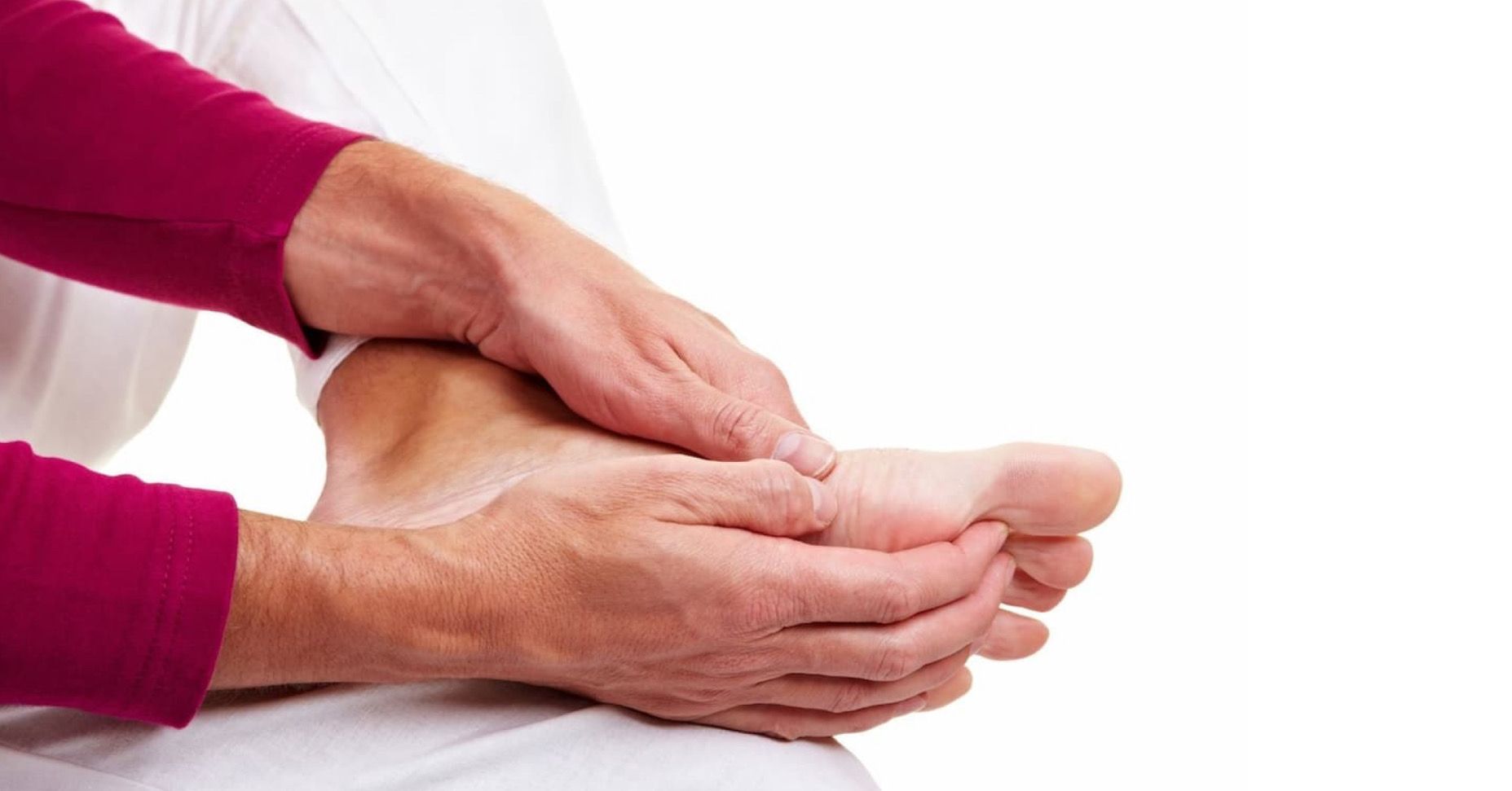
While many foot and nail issues can be managed at home, some situations call for expert help. If you notice persistent pain, swelling, or colour changes that don’t improve with basic care, consider consulting a healthcare professional. They can provide targeted treatment, from prescription creams to specific interventions for more serious conditions.
If you’re dealing with something unusual, like sudden numbness or difficulty walking, don’t delay seeking advice. Early intervention can prevent minor concerns from becoming major hassles.
8. Embrace a Daily Routine
Incorporating foot care into your daily routine doesn’t have to be time-consuming. Maybe while brushing your teeth in the evening, you do a quick foot inspection. After a shower, you might spend an extra minute drying between your toes and applying lotion. These small habits add up, ensuring your feet remain in good shape.
Think of it this way: your feet support you every single day, so giving them a bit of attention is a fair exchange. Over time, you’ll likely find that by caring for your feet, you improve overall comfort, confidence, and mobility.
9. The Bigger Picture
Taking care of your feet isn’t just about preventing discomfort-it’s also about supporting your active lifestyle. Healthy feet encourage you to go on family walks, join a friend’s hike, or dance around the living room without hesitation. By making nail and foot health a priority, you maintain the freedom to move and explore.
In the grand scheme of things, paying attention to foot health is an investment in yourself. Whether that means learning about conditions, adjusting your hygiene routine, or just wearing better socks, every small effort counts. As you commit to these habits, you’ll likely discover that caring for your feet improves more than your comfort-it enhances your overall quality of life.