Beyond Wrinkles: Lesser-Known Uses for Botox
By Associate · Sep 13, 2026 When most people hear Botox, they picture smoother foreheads, softer crow’s feet, and fewer lines around the eyes. That image isn't wrong, but Botox has moved far beyond wrinkle care. Today, trained medical professionals use it for several concerns that have little to do with aging skin.
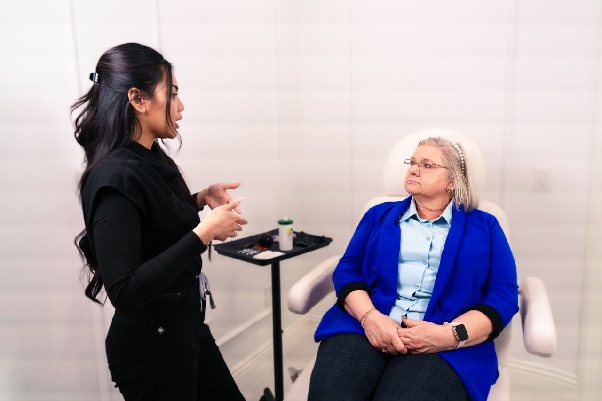
Image Source
From excessive sweating to jaw tension and certain headaches, Botox can affect muscle activity in ways that may provide practical relief. Some uses are cosmetic, while others support everyday comfort and wellness. Knowing what Botox can and cannot do makes it easier to have a realistic conversation with a qualified provider.
More Than a Needle and a Few Lines
Botox is made from botulinum toxin type A, a purified substance that temporarily reduces muscle activity when injected in small, controlled amounts. Since repeated muscle movement plays a role in many facial lines, reducing that movement can create a smoother appearance.
A modern Med spa can bring together skincare, injectables, body treatments, and other aesthetic services in one place.
The interesting part is that the same muscle-relaxing action can be useful for concerns outside traditional wrinkle treatment. Results, duration, and suitability vary from person to person, so a consultation is an important starting point.
When Sweat Becomes a Daily Problem
For someone dealing with excessive sweating, a hot day is not the only challenge. Sweaty palms can make handshakes uncomfortable, while underarm sweating can affect clothing choices, confidence, and social situations.
Botox can be injected into areas affected by excessive sweating. It works by blocking signals from nerves that activate sweat glands, which can reduce sweating in the treated area for a period of time.
This treatment is often considered for underarms, hands, feet, and other areas depending on the individual situation. A medical professional can determine whether it is appropriate and explain what kind of improvement may be expected.
A Softer Look for a Strong Jaw
Some people naturally have powerful jaw muscles. In certain cases, frequent clenching or grinding can make those muscles feel tired or sore. It can also give the lower face a wider or more pronounced appearance.
Botox can sometimes be injected into the masseter muscles, which are involved in chewing. By temporarily reducing their activity, treatment may help decrease muscle tension and, for some people, create a slimmer-looking lower face.
This use requires careful assessment because the jaw is important for chewing and facial movement. Injection placement and dosage matter, which is why this is not something to approach as a one-size-fits-all treatment.
Could Botox Help With Headaches?
One of the lesser-known medical uses of Botox involves chronic migraine. For eligible patients, Botox may be administered at several points around the head and neck according to established medical protocols.
It is not the same as receiving a few cosmetic injections in the forehead. Treatment for chronic migraine follows a specific injection pattern and is generally provided by a qualified healthcare professional familiar with the condition.
It is also worth noting that Botox is not intended for every type of headache. Anyone experiencing frequent or severe headaches should speak with a healthcare provider about diagnosis and appropriate treatment options.
Tiny Details Around the Face Matter Too
Botox can also be used for certain facial concerns where small muscles create unwanted movement. One example is a gummy smile, where movement of the upper lip reveals more gum when smiling.
In selected cases, carefully placed Botox can relax the muscles that lift the Luscious lip. This may create a more balanced smile without changing the teeth or gums themselves.
Some providers also use Botox for a downturned mouth appearance or a dimpled chin. These applications depend heavily on facial anatomy, injection technique, and conservative dosing. Small changes can have a noticeable effect, so precision matters.
What About a Neck That Looks Tense?
The neck contains several muscles that influence movement and appearance. When certain muscles are overactive, they can contribute to visible neck bands or a tense-looking appearance.
Botox may be used in selected cases to relax targeted neck muscles. Cosmetic treatment in this area requires a strong knowledge of anatomy because important muscles and structures sit close together.
This is one of those treatments where more is not automatically better. A qualified injector should assess facial and neck movement before deciding whether Botox is suitable.
Results Take Time, Not Magic
Botox does not create instant results. Depending on the treatment area, changes may begin becoming noticeable within several days, with results developing further over the following weeks.
The effects are temporary because the body gradually restores normal nerve-to-muscle communication. Many cosmetic results last around three to four months, although the exact duration can vary based on the treatment area, dosage, metabolism, and individual response.
Some medical applications can have different treatment schedules, so patients should follow the guidance given by their healthcare provider.
A Quick Reality Check Before Treatment
Botox has a strong safety record when used appropriately by qualified professionals, yet it is still a medical treatment. Temporary effects such as bruising, swelling, tenderness, or headache can occur.
Rare complications can be more serious, which makes provider experience and proper injection technique important. People who are pregnant, breastfeeding, have certain neuromuscular conditions, or take particular medications may need additional medical guidance before treatment.
A good consultation should cover medical history, medications, goals, possible side effects, and realistic expectations. It should also give you an opportunity to ask questions rather than feeling rushed into treatment.
Botox Has a Much Bigger Story
Wrinkle reduction may have made Botox famous, though its uses have grown considerably. From excessive sweating and jaw tension to chronic migraine and carefully selected facial concerns, its muscle-relaxing action can serve several purposes.
That does not mean Botox is right for everyone or every concern. The smartest approach is to treat it as a medical procedure rather than a quick beauty fix. With the right assessment and an experienced provider, patients can learn whether a particular application makes sense for their needs.
Sometimes, looking beyond wrinkles reveals that Botox is not simply about looking younger. It can also be about feeling more comfortable, managing certain conditions, or making small changes that fit naturally into everyday life.