In the world of medicine, making sure money flows in correctly is just as important as taking care of patients. When payments take too long, or insurers say "no" to a bill, it can make things very hard for a doctor's office. This is why having a clear plan for your money is so vital. By looking at specific numbers, known as RCM KPIs healthcare, managers can see exactly what is happening with their cash. This helps them find mistakes early and keeps the business running without any scary surprises.
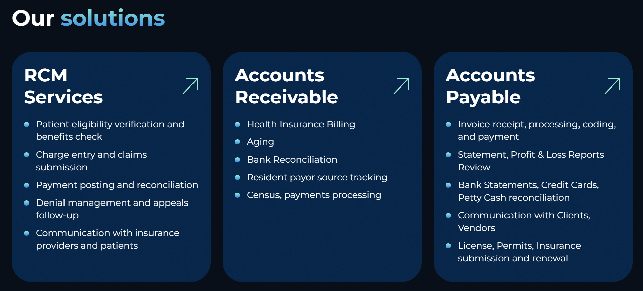
Many medical groups choose to hire experts to help with this. Professional healthcare revenue cycle management services, like the ones provided by Pharmbills, are a great way to handle these big tasks. Pharmbills helps you stay focused on patients while the money stays on track.

KPIs That Actually Matter
When you want to know if your billing is working, you need to check your medical billing performance metrics. These are just simple numbers that tell the truth about your income. You should look at how fast you get paid and how much money you might be losing because of small errors. You do not need to have perfect scores every single day, but you should try to make these numbers better over time. Having a goal for revenue cycle optimization means you are always looking for ways to improve how you collect what you are owed.
Days Sales Outstanding (DSO)
DSO measures how many days it takes for money to reach your bank after a patient visit. To find this number, you take all the money people owe you and divide it by what you charge on an average day. If your DSO is low, it means you are getting your cash quickly. For most medical offices, a good goal is between 30 and 40 days. If it takes more than 45 days, it usually means there is a problem that needs to be fixed. It could be that the insurance company is being slow or that your team made a mistake on the paperwork.
Denial Rate
Your denial rate means the portion of bills that insurers initially reject to fund. Find this by dividing the denied claim money by the whole amount. Bad denials halt cash flow and cause extra tasks. Most "no" replies occur from typos, bad codes, or lapsed insurance. Top groups keep this rate under 5%.
Net Collection Rate (NCR)
NCR shows how much of the allowed revenue actually makes it into your pocket. The formula is simple: divide the money received by the total allowed amount. You should aim for 95% or higher. If this is low, you are leaving money on the table. This often happens due to unappealed denials or poor patient follow-up.
AR Aging Reports
An AR aging report maps your unpaid bills. It puts them into groups based on how old they are, such as 0-30 days, 31-60 days, or over 90 days. You want the most money in the youngest group. Bills over 90 days are very hard to collect. Reviewing this weekly helps your team know which bills to chase first.
Patient Collections
Modern insurance plans mean patients now pay more out of pocket for their visits. This number tracks the cash you get directly from the people you treat. Since this is a huge part of your total income, you must collect it efficiently. Clear invoices and easy payment choices make your overall cash flow much more stable.
Verify patient insurance details before the appointment starts
Ask for copays at the front desk before the doctor sees the patient
Send friendly text reminders for any unpaid medical bills
Provide an online portal so people can pay their balance fast
Offer small monthly payment plans for very expensive treatments
Payer Behavior and Contract Impact (High-Level)
Insurers heavily affect your RCM KPIs healthcare. Rule changes can shift your numbers overnight.
Commercial vs Government Payers
Business insurers usually pay quickly but hate errors. Public plans like Medicare might take more time, but they always stick to the same rules.
Contractual Variations
The contracts you sign decide your pay. Read these carefully so you aren't surprised by low rates or strict filing deadlines.
Impact on Revenue Forecasting
Unpredictable payers make cash flow hard to forecast. Monitoring these factors helps teams adjust for lean months.
Operational Fixes That Move KPIs
You can make your numbers better by making small changes in your office. This boosts your revenue cycle optimization efforts.
Clean Claims Submission
Submit "clean" claims by verifying patient names and ID numbers. This stops denials before they happen.
Denial Prevention Strategies
Preventing denials protects revenue. Do early reviews to find errors and ensure your appeal process stays strong.
AR Segmentation and Prioritization
Organize accounts receivable by age and risk. Prioritize high-value accounts to accelerate collections and minimize debt.
Workflow Standardization
Implement standardized procedures to ensure consistent performance. Uniform workflows keep key medical billing performance metrics on track.
Partner Fit: What to Look for in Reporting and Transparency
If you decide to get help with outsourced RCM analytics, you need to pick the right partner. A good partner will be totally honest with you.
Transparent Dashboards
You should see DSO and denial rates on a simple dashboard immediately. Real-time views help you make fast decisions.
Customizable Reporting
Good partners adapt their reports to fit your specific requirements. This makes sure that bosses and workers get the right insights.
Accountability and Ownership
Top partners link their efforts to your KPIs. Pharmbills is a perfect example of a partner that takes ownership of every detail. We provide the clear data you need to make smart choices for your business. Visit https://pharmbills.com/ to see how we can support your goals.
In the end, watching RCM KPIs healthcare ensures your office stays healthy. Either you handle it alone or choose to use outsourced RCM analytics, watching these metrics is the solution for a stable medical practice.